

Community-Based Health and Nutrition in Ghana
UNICEF ‘s support to Community-Based Health and Nutrition in Ghana
1. Background and Context
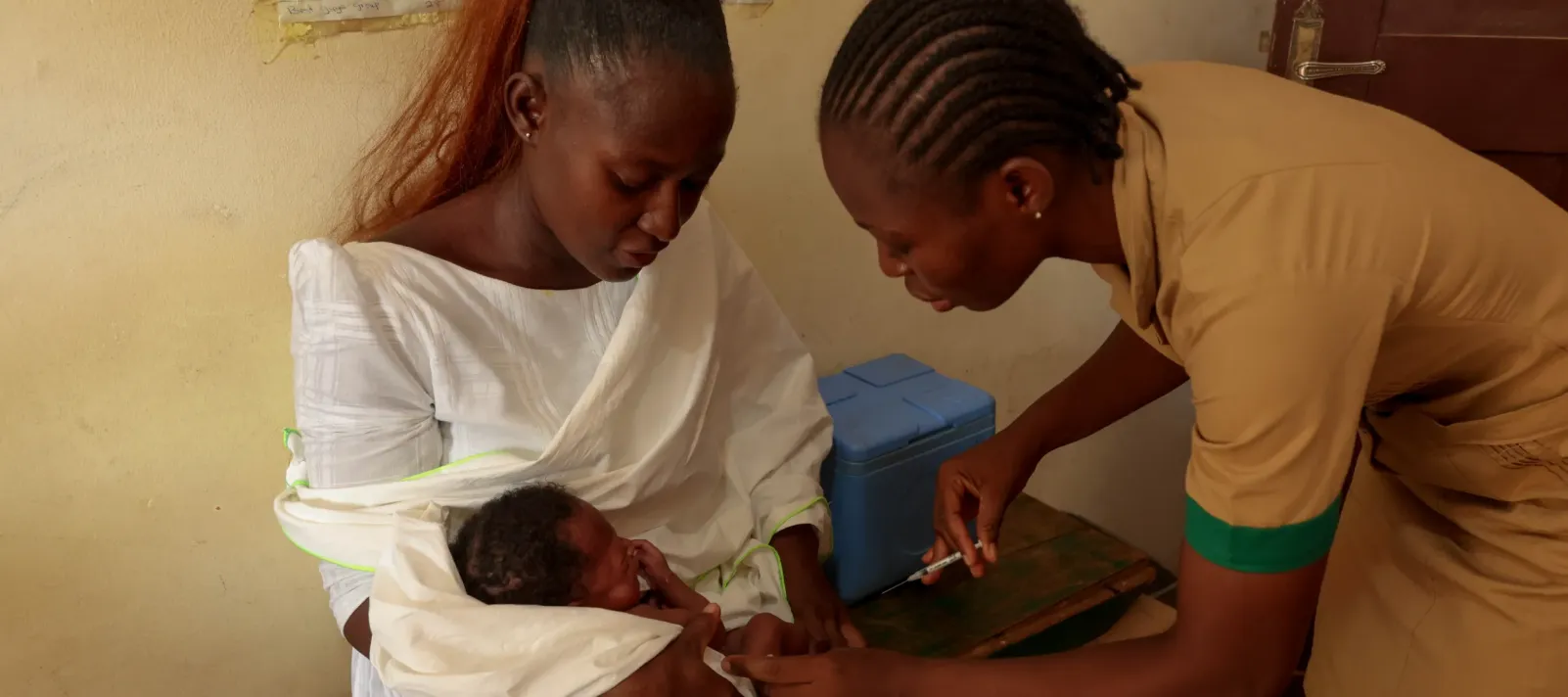
Ghana’s Community Health Planning and Services (CHPS) programme is a flagship community-based healthcare strategy developed over the past 30 years. Originating in the 1990s and scaled nationally in the 2000s, CHPS has been further strengthened since 2016 through standardization, integration into primary healthcare, and improved monitoring systems.
CHPS operates through defined geographical zones serving 1,500–5,000 people, supported by Community Health Officers/Nurses, volunteers, and Community Health Management Committees.
Service Package:
- Maternal and newborn care (ANC, delivery, PNC)
- Family planning and child immunization
- Treatment of minor illnesses
- Health and nutrition education and promotion
Contribution to health service delivery:
CHPS is central to health and nutrition service delivery at the community level, contributing significantly to family planning, antenatal care, skilled birth deliveries, vaccination, as well as basic health and nutrition care.
2. Key Challenges
- Human resources: Staff shortages, high attrition, limited incentives
- Financing: Irregular funding, weak integration of preventive care in the National health Insurance Scheme, donor dependence
- Infrastructure & logistics: Inadequate facilities, frequent stock-outs of medicines, weak supply chains
- Community engagement: Variable participation and cultural barriers
- Equity gaps: Regional disparities in access and quality
3. UNICEF Strategic Support
UNICEF support is fully aligned with Ghana’s Health Sector Medium Term Development Plan 2026-2029. UNICEF specifically supports the following areas:
Policy and Governance
- Strengthening policy development, implementation, and coordination (e.g., Health Gender Policy, Free Primary Healthcare)
- Improve accountability through establishment of community health committees and use of community scorecards
Sustainable Financing
- Conducted fiscal space analysis to support the Government in the identification of domestic resources for primary care
- Conducted cost-benefit analyses to support integration of nutrition and immunization into the National Health Insurance Scheme
- Facilitate health financing and transparent budgeting dialogues with Development Partners, the Government, and Parliament
Workforce Capacity and Retention
- Strengthening training in maternal, child health, and nutrition for frontline healthcare workers
- Establish mentorship systems (piloted in multiple districts) whereby regional ad district hospital support frontline healthcare workers
- Improve retention through incentive and livelihood models for volunteers
Service Delivery Optimisation
- Expand integrated service delivery (Networks of Practice) particularly to enhance referral of complex clinical cases to better capacitated health facilities
- Equip CHPS compounds with essential supplies
- Scale innovations (e.g., telemedicine, community-based neonatal care follow-up, community-based early HIV/TB diagnosis)
- Improve access to social services for vulnerable groups, particularly pregnant adolescents, by identifying them through CHPs
Community Engagement and Behaviour Change
- Empowering communities through education and participation
- Promote gender-sensitive, culturally appropriate social and behaviour change interventions to improve use of health and nutrition services