

Adolescent Girls
Building Ghana’s Future: Investing in Adolescents
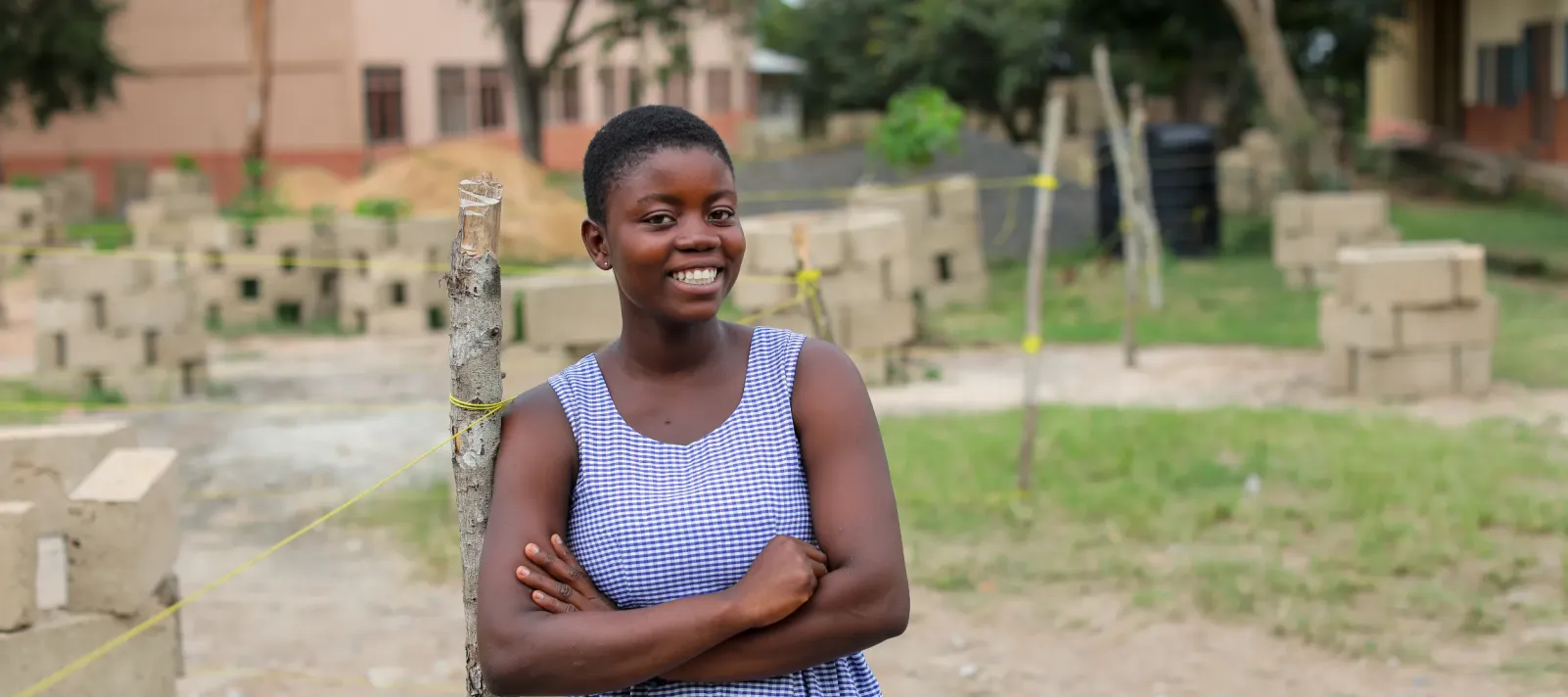
Ama, a 16-year-old in the Ashanti Region, dreams of becoming an engineer. Like many adolescents in Ghana, her ambitions are shaped not only by talent and determination, but also by structural barriers—poverty, gender norms, and limited access to opportunities.
Her story reflects the reality of over 3.5 million adolescent girls aged 10–19 in Ghana, whose health, education, and economic participation will significantly influence the country’s future workforce and economic growth.
Adolescence is a critical window for investment. When adolescents—especially girls—stay in school, access health services, develop skills, and participate in decision-making, they are far more likely to transition into healthy, productive adulthood.
UNICEF works with the Government of Ghana, development partners, communities, and young people to ensure that adolescents—girls and boys—can safely and successfully transition to adulthood.
Progress worth building on
Ghana has made notable progress in advancing gender equality and adolescent well-being:
- Declining child marriage rates, among the lowest in West and Central Africa
- Gender parity achieved in basic education
- Expanded maternal and adolescent health services
- Landmark reforms, including the Affirmative Action (Gender Equity) Act 2024, the Gender Health Policy 2024, and the National Gender Policy 2025–2034
These milestones demonstrate Ghana’s commitment to strengthening opportunities for women and girls.
The numbers behind the opportunity
Despite progress, many adolescents continue to face structural barriers:
- 3.5 million adolescent girls (10–19) live in Ghana
- 15.2% of girls aged 15–19 have experienced pregnancy, disrupting education and employment pathways
- 26% of adolescent girls experience anaemia, affecting health and learning
- Nearly 9 in 10 children and adolescents experience multidimensional poverty
These disparities are particularly pronounced in rural and underserved communities.
Why investing in adolescents matters
Investments in adolescent girls—and the boys who shape their social environment—generate strong economic and social returns:
- Expanding girls’ secondary education can increase national GDP by up to 10%
- Preventing adolescent pregnancy reduces long-term costs across health and social systems
- Integrated adolescent programmes can yield up to $4 in returns for every $1 invested
With a rapidly growing youth population, Ghana’s future prosperity will depend on unlocking the potential of its adolescents.
Partnership for impact
Transforming opportunities for adolescents requires coordinated investment and collaboration.
UNICEF works with:
- Government ministries and national institutions
- Development partners and donors
- Civil society organizations
- Youth networks and communities
- Private sector partners
Together, these partnerships are helping Ghana scale solutions that enable every adolescent—girls and boys—to learn, thrive, lead, and contribute to national development.
UNICEF’s approach: investing in adolescents at scale
UNICEF supports integrated programmes that strengthen systems and expand opportunities for adolescents across sectors:
- Education, STEM and digital innovation: building future-ready skills, expanding digital learning opportunities, and helping girls remain in school and transition to higher levels of education, while addressing gender barriers and social norms that limit girls’ participation in STEM and digital spaces.
- Health and nutrition: expanding adolescent-friendly services, including sexual and reproductive health information, menstrual health and hygiene (MHH) support, and nutrition interventions to address challenges such as anaemia and gender-related barriers to accessing health services.
- Protection: preventing child marriage and gender-based violence through community engagement that shifts harmful gender and social norms, alongside strengthened protection systems and social protection.
- Economic empowerment: promoting financial literacy, entrepreneurship and livelihood pathways to strengthen adolescents’ economic resilience and challenge norms that restrict girls’ economic participation and opportunities.
- Leadership and voice: supporting youth platforms and safe spaces that strengthen adolescents’ confidence, participation and decision-making, while promoting positive gender norms and engaging both girls and boys as advocates for equality.
- Integrated service delivery: connecting adolescents to coordinated support across health, education, protection and social protection systems, ensuring gender-responsive services that address structural inequalities affecting girls and boys.
These programmes follow UNICEF’s Girl-Intentional Approach, while also engaging adolescent boys to challenge harmful gender norms, reduce violence, and promote more equitable relationships.