The Gambia gets first kangaroo mother care unit
The first kangaroo mother care unit opens at the Edward Francis Small Teaching Hospital, presents a better chance at life
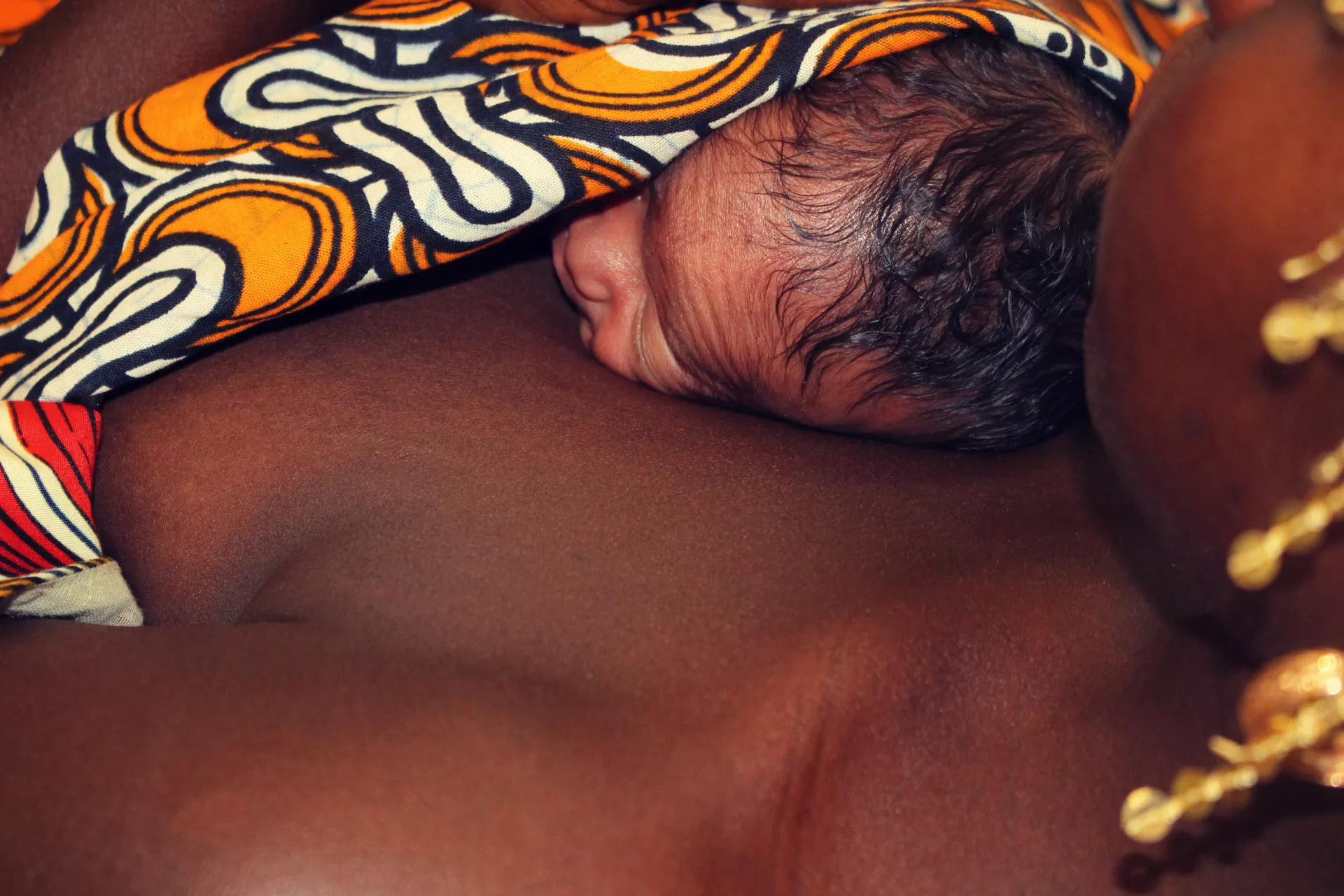
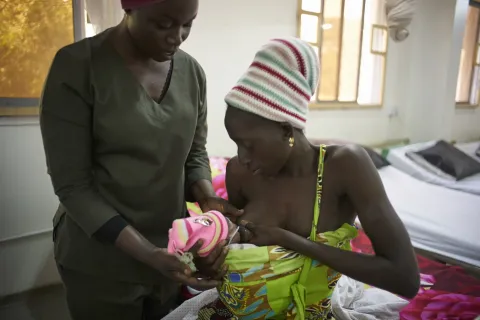
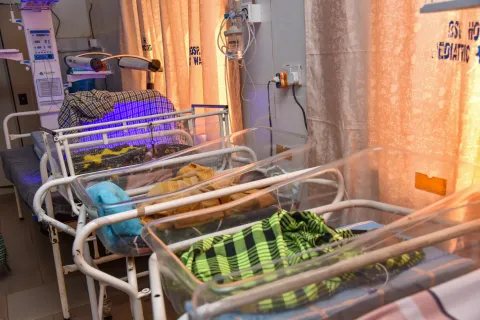
The first kangaroo mother care (KMC) unit in The Gambia was opened at the Edward Francis Small Teaching Hospital on 11th October 2017, for the management of preterm/low birth weight babies. KMC, or skin-to-skin care, consists of keeping the nearly naked baby upright and in contact with the mother’s chest for as-long-as possible, aiming for 18 to 20 hours per day. This practice promotes breast feeding, keeps the baby warm, stabilises their breathing and heart rate, reduces stress and enables early hospital discharge. It is a recommended way of providing care, nutrition and health to stable preterm/small babies weighing less than 2000g. KMC is widely used in many different countries; there are documented evidences from the United Kingdom in Europe to Senegal in Africa.
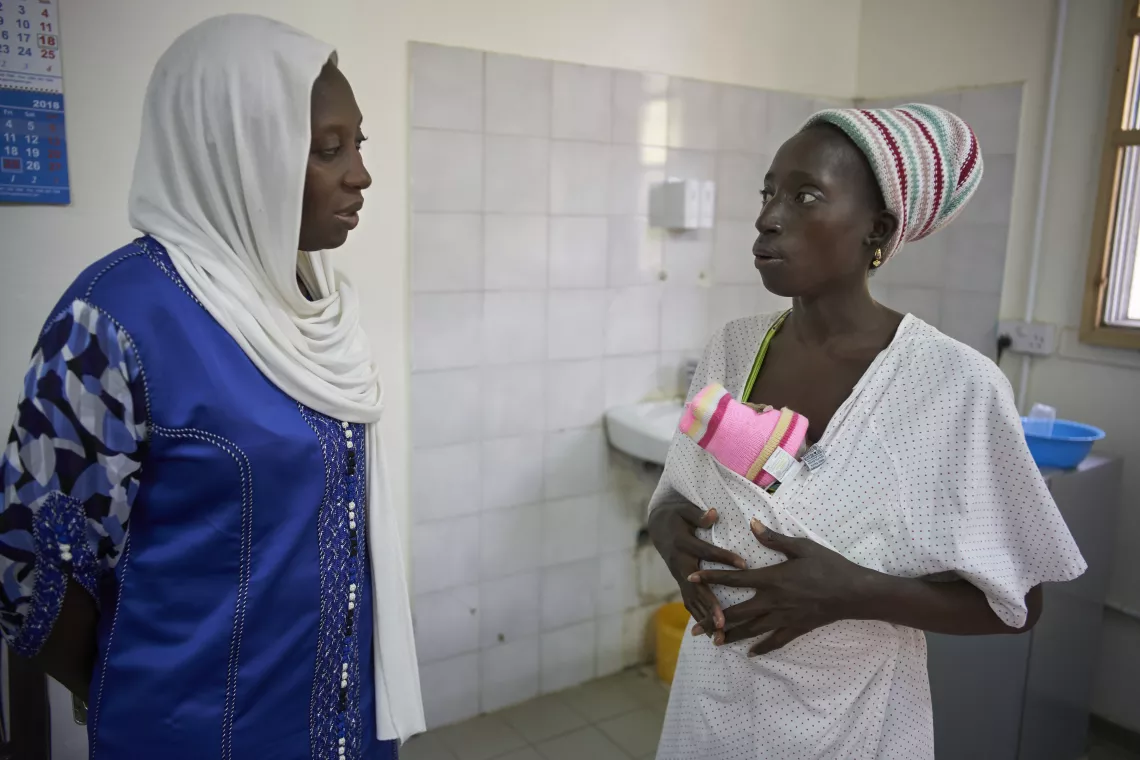
This project is a partnership between UNICEF, Edward Francis Small Teaching Hospital (EFSTH), the Ministry of Health (MOH), and MRC The Gambia at the London School of Hygiene and Tropical Medicine. In the spirit of partnership, UNICEF funded the national training of trainers workshop in August 2017. Twenty-five Gambian health care workers were trained in theory and practices of KMC. The training was facilitated by Dr. Elise van Rooyen, a Paediatrician and KMC expert from the University of Pretoria in South Africa, and Dr. Helen Brotherton, a Paediatrician and LSHTM/MRCG doctoral researcher.
There will be subsequent step down trainings for other health service providers, to disseminate this knowledge and ensure health care workers responsible for new-born care are familiar with the theory and practices of KMC. Research by MRCG/LSHTM into the best time to start KMC in babies who are not yet fully stable is planned for the near future, and is expected to contribute towards improving the hospital care of these vulnerable babies.