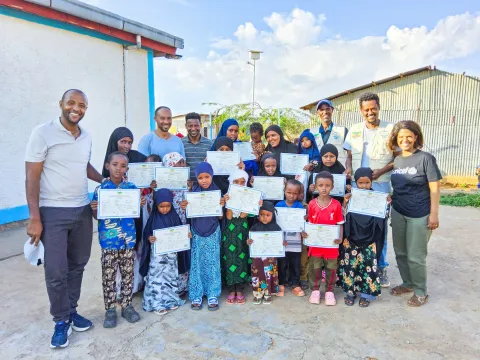
Seeking safety amid conflict
A glimpse into the lives of Sudanese Refugees in Kurmuk Temporary Site

Arafat, (black and white top) 18 years old, is one of an estimated 65,000 refugees that have fled to Ethiopia. He and his family are staying at the Kurmuk Temporary Site in the Benishangul-Gumuz Region and have been there for around 6 months.
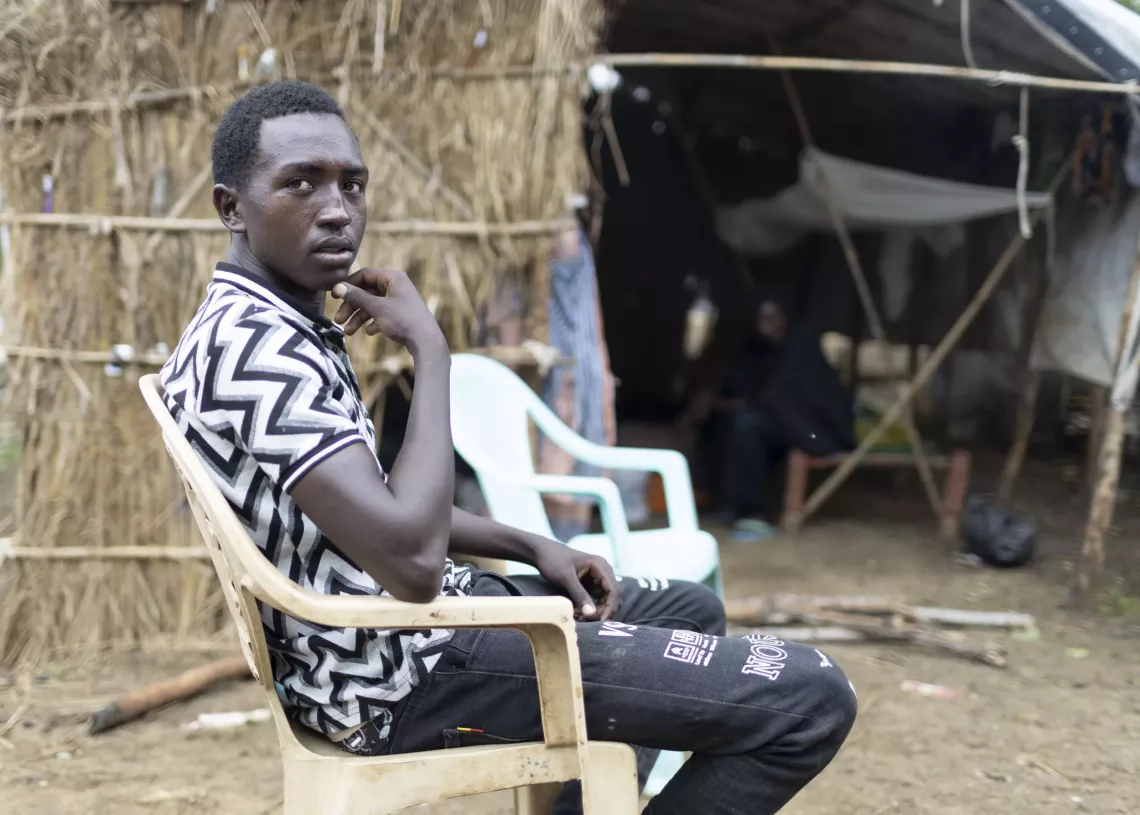
Arafat’s home is literally 20 kilometers across the border. “There was fighting in our village and so we had to leave with hardly any belongings,” he said. “It is so unpredictable that we cannot go back. We are so close, yet home feels so far away.”

His sister, 15 years old, Sheza said “While we don’t have much, I feel safer here and I don’t want to go back as I was really scared when the fighting broke out.”
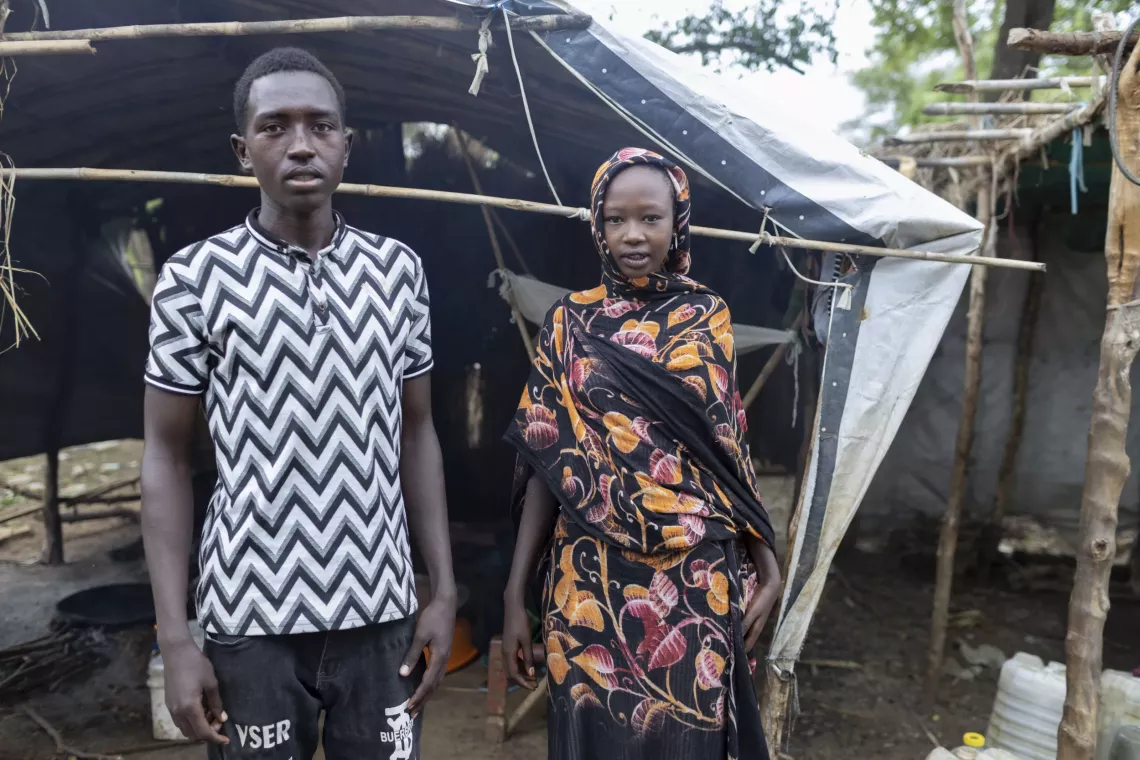
While Arafat really wants to go back to school, he has to take care of his family. “I get casual work here and there and I look after the family,” he said. “But I really want to go back to school, and I want to become a translator.” Arafat speaks Arabic and English but wants to improve so his dreams come true
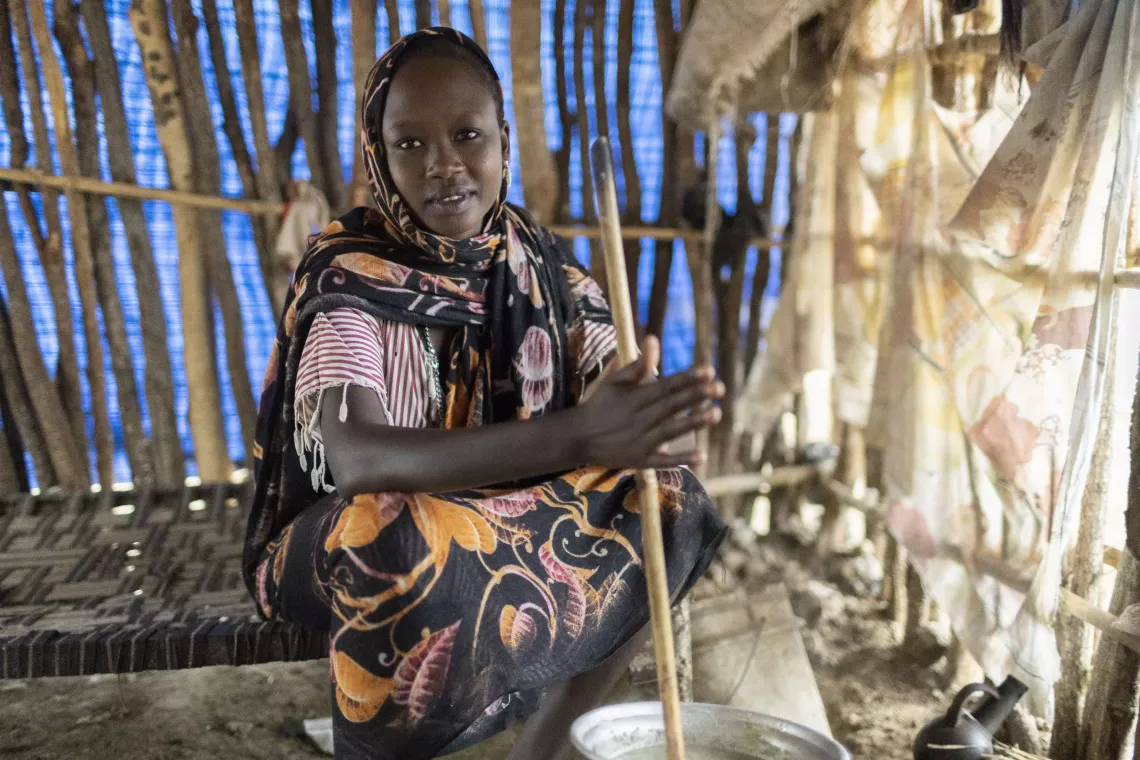

Sheza spends her days helping her mum with the cooking and looking after her 5-year-old sister, Hawa. “I help my mum with the chores and play with Hawa, so she does not get bored,” said Sheza. “I also teach Hawa simple math and new words, and my dream is to be a teacher.”
UNICEF and partners have been supporting the Sudanese refugees with emergency supplies, like non-food items and dignity kits. But the needs are great, and funds are low.
Ethiopia is the second largest refugee hosting country in Africa with nearly 1.1 million refugees mainly from Somalia and South Sudan and the Sudan. While the Government of Ethiopia is keeping its borders open, timely support is critical to meet the fundamental rights of refugees, including essential services.