

UNICEF and its partners present the priorities of the 2025–2027 work plan
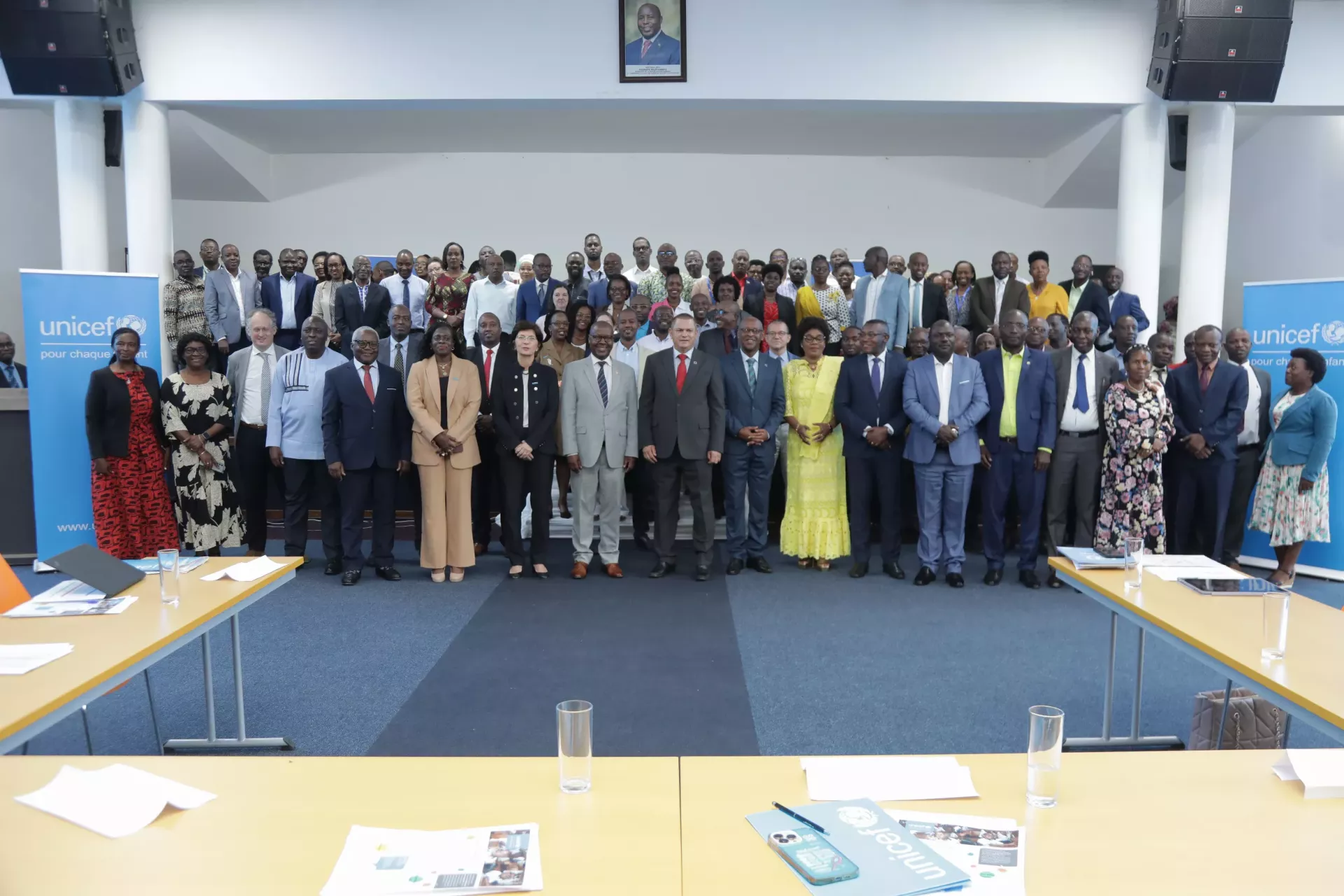
On April 15, 2025, the Government of Burundi and UNICEF held their annual review to analyze the results achieved in 2024 and to present the new rolling work plan for 2025–2027.
- English
- Français
This year, the organization of the annual review followed a joint mission of the Technical Monitoring Group conducted with the Government in the provinces of Kayanza, Ngozi, and Kirundo. The recommendations from this mission were presented by Delphin Ndayemeye, Director in charge of International Organizations at the Ministry of Foreign Affairs and Development Cooperation. Sectoral reviews were also organized to assess the current state of the work plan’s implementation and propose adjustments for the coming years.
After the welcoming speech by the Mayor’s delegate, the UNICEF Representative highlighted some of the main achievements of the first year of the 2024–2027 cooperation programme with the Government of Burundi. “Despite the numerous emergencies that occurred in 2024, including floods and the Mpox outbreak, we can be proud of having responded with a multisectoral approach involving the health, nutrition, water and sanitation, child protection, and social protection sectors,” said France Bégin, UNICEF Representative.
In his speech, Dr. Xavier Crespin, WHO Representative in Burundi and representative of the UN Resident Coordinator, called on all participants to pay particular attention to setting priorities for the new work plan and ensuring the efficient use of programme and project resources. Emphasizing the same point, Syldie Manirerekana, Assistant to the Minister of Foreign Affairs and Development Cooperation, stressed before opening the review session: “We must adopt a more rigorous approach and make drastic adjustments in the maintenance and management of the assets resulting from this cooperation.”
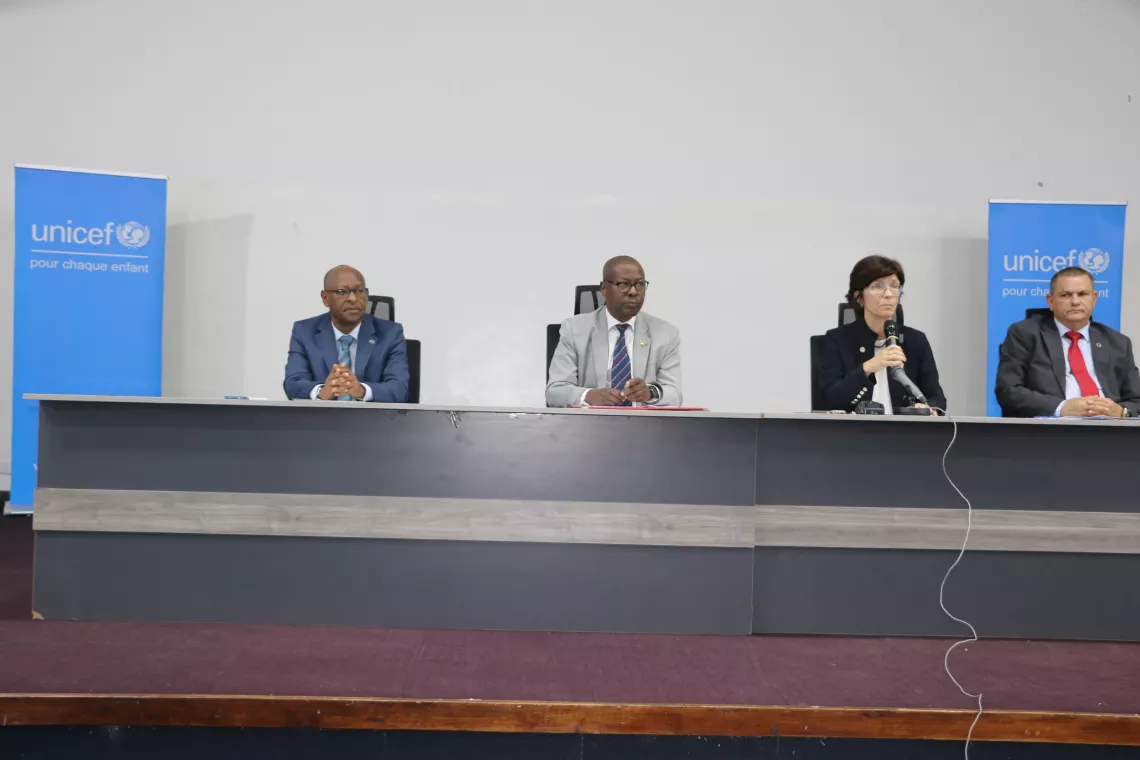
The Director General of the National Institute of Statistics of Burundi presented the situation of children in the country through data illustrating the multiple deprivations they face.
Selbee Mame Diouf, Deputy Representative of UNICEF, shared the priorities of UNICEF’s cooperation programme with the Government for 2024–2027, giving participants an overview of UNICEF’s main areas of work and strategic priorities in support of the Government’s programmes.
Beifith Kouak Tiyab, Head of Planning, Monitoring, and Evaluation at UNICEF, presented the key results from 2024. Among the highlighted achievements were: 267,187 adolescents sensitized on sexual and reproductive health; 620 children in conflict with the law who benefited from follow-up services, legal aid, and psychosocial support; 17,225 children registered within legal deadlines; 164,079 children who gained access to water services (14 drinking water supply systems built, including in emergency contexts); 411,800 people who gained access to basic sanitation services in Kayanza, Cankuzo, Muyinga, and Kirundo (3% of the population); and 75 community platforms producing high-nutritional-value foods.
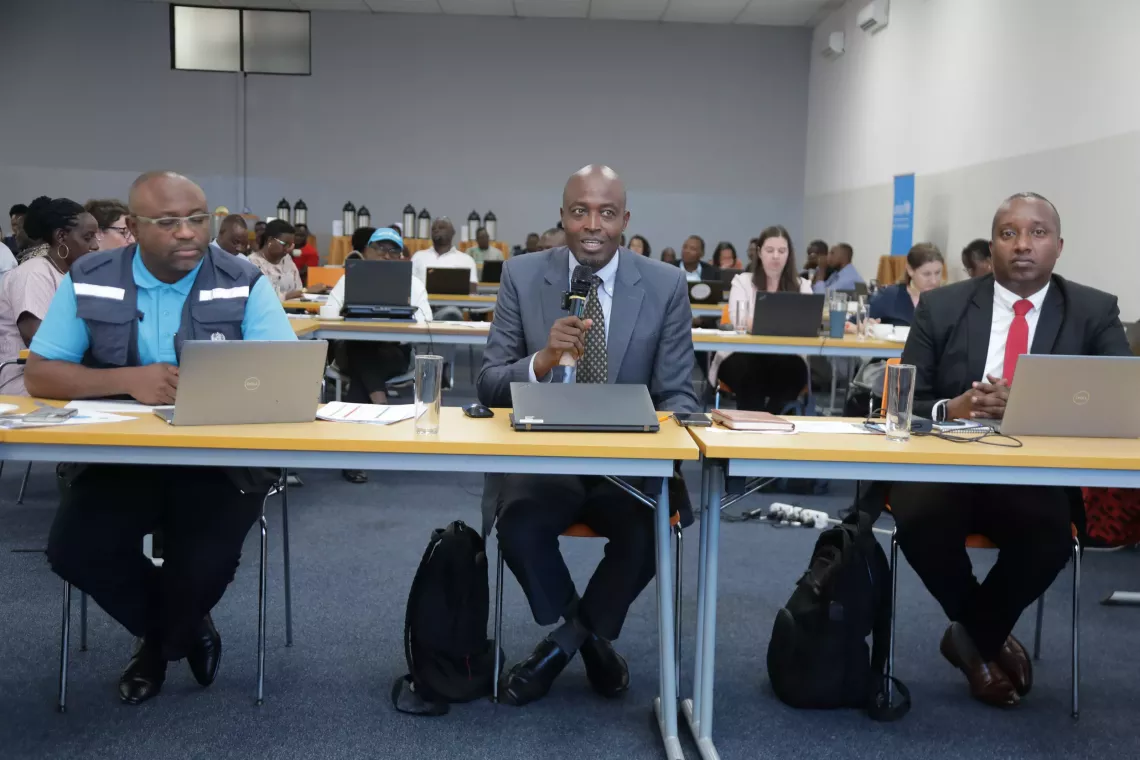
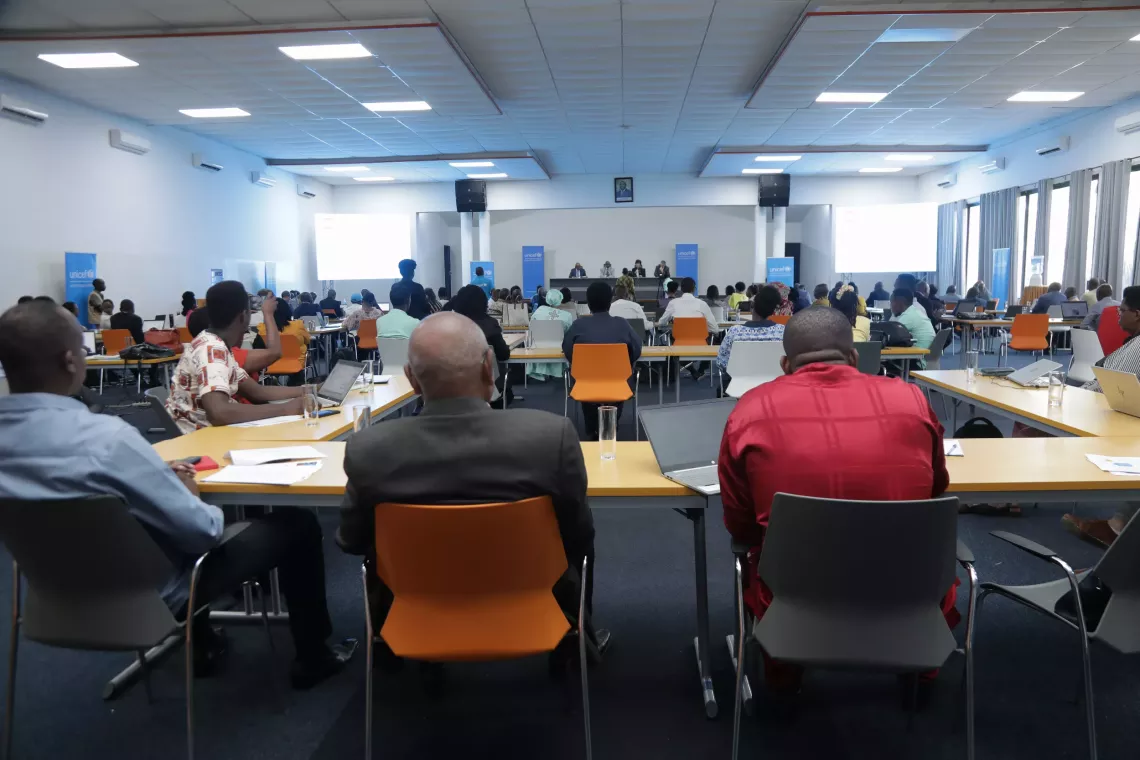
UNICEF’s programme priorities were then presented to participants, covering early childhood development, climate change, emergency preparedness and response, health, nutrition, child protection, and social policy. The priorities of cross-cutting areas such as social and behavior change, disability inclusion, and protection from sexual exploitation and abuse were also emphasized.
The priorities of the new 2025–2027 rolling work plan are aligned with the United Nations Sustainable Development Cooperation Framework for Burundi (2023–2027) and the National Development Plan.
The event concluded with expressions of appreciation from both UNICEF and the Ministry of Foreign Affairs and Development Cooperation (MAECD).
