Botswana Private Sector Renews Commitment to Children Under Dzene Makhwade-Seboni’s Leadership
The Private Sector Forum for Child Rights has strengthened its leadership and governance structures as business leaders reaffirmed their commitment to advancing child rights and sustainable development across Botswana.

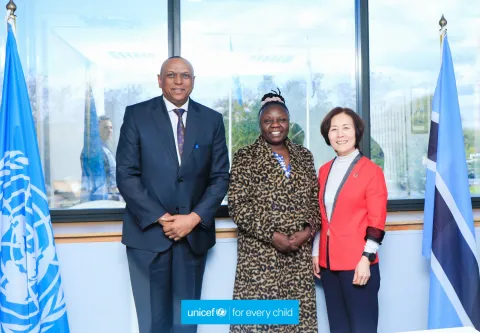
The Council re-elected Ms Dzene Makhwade-Seboni, Chief Executive Officer of Mascom, as Private Sector Co-Chair for another two-year term, recognizing her leadership in building a stronger platform for private sector engagement in support of children and young people.
Ms Makhwade-Seboni will continue to co-lead the Council alongside UNICEF Botswana Acting Representative, Dr Kimanzi Muthengi, bringing together private sector expertise and UNICEF's global experience in child rights advocacy and systems strengthening.
The renewal of leadership comes at a critical time as Botswana's private sector continues to play an increasingly important role in supporting national efforts to improve outcomes for children and families. Through the Council, businesses are working collectively to align investments, innovation and influence towards programmes that advance children's wellbeing and create sustainable impact.
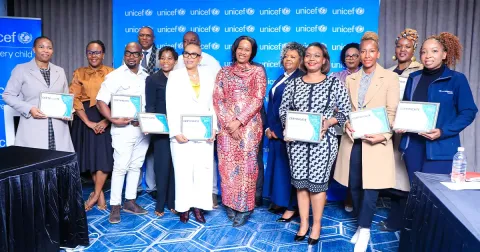
During the meeting, Council members formally endorsed the Council Governance Framework, establishing a clear foundation for the platform's operations, including its mandate, membership criteria, leadership structures, ethical commitments and working arrangements.
The framework is expected to strengthen accountability, improve coordination among members and support more strategic private sector contributions towards child-focused initiatives across Botswana.
Members also welcomed the expansion of the Council through the inclusion of new partners, including Stanbic Bank Botswana, Chobe Holdings, Lucara, Natural Selection and De Beers, further broadening the network of organizations committed to investing in children and communities.
Discussions highlighted the importance of using private sector leadership, resources and innovation to address challenges affecting children, including access to quality early childhood development, education, protection, health and opportunities for young people.
The Council reaffirmed that supporting children is not only a social responsibility but also an investment in Botswana's future workforce, communities and national development. By working together, businesses can help accelerate progress towards ensuring that every child has the opportunity to survive, learn, grow and thrive.
The strengthened governance framework and continued leadership of the Council represent an important step towards building a more coordinated and impactful private sector movement for children.
Through sustained collaboration between government, business, UNICEF and communities, Botswana is demonstrating how partnerships can help create lasting change and place children's rights at the centre of national development.
For every child, every opportunity.