Supporting Parents Key to Children’s Wellbeing, New Evidence Shows
Joint press release

THIMPHU, July 24: More people are seeking professional mental health and psychosocial support services, including parents and caregivers, highlighting the growing demands for services that strengthen family wellbeing programmes and services.
Recent data from the annual report of the PEMA Secretariat and Jigme Dorji Wangchuck National Referral Hospital (JDWNRH) Annual Report 2025, show increasing demand for support.
- The PEMA Helpline received more than 2,065 calls, while 869 people accessed counselling services, with mental health challenges, marital issues and gender-based violence among the most common concerns.
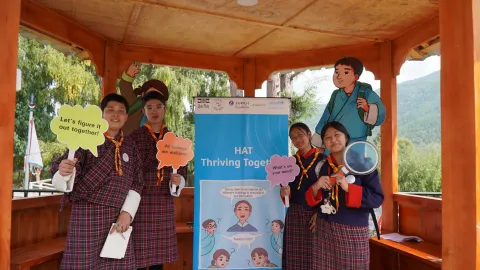
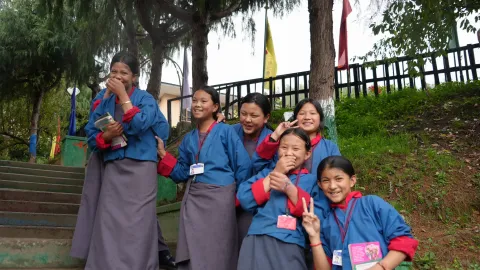
- The Ministry of Education and Skills Development (MoESD) and UNICEF are implementing the Helping Adolescents Thrive (HAT) programme in 166 schools through counsellors and wellbeing focal teachers.
- To date, the programme has supported 7,298 male and 12,222 female caregivers and around 252 caregivers have sought support from school counsellors. Their concerns ranged from children's academic and behavioural challenges to emotional and mental health among others.
- At health facilities, routine maternal mental health screening helped identify common concerns including anxiety, depression, social challenges and psychological distress among mothers and were referred to support services where needed.
“Mental health plays an important role in a child's learning, growth, and overall wellbeing. When students have good mental health, they are better able to focus in class, manage their emotions, build healthy relationships, solve problems, and reach their full potential,” Minister for Education and Skills Development, Yeezang D Thapa said. “It also helps them grow into responsible, caring, and ethical individuals who can make positive contributions to their communities and the nation's development.”
The growing demand for family-focused mental health support is reinforced by a new study published in The Lancet Global Health, which shows that investing in caregivers can significantly improve caregiver wellbeing and child development outcomes.
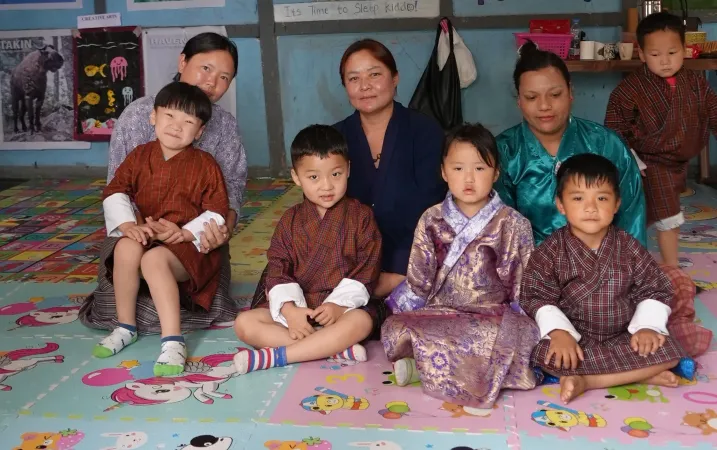
The study examined Bhutan's implementation of UNICEF's Caring for the Caregiver programme, delivered in partnership with the Ministry of Education and Skills Development in Punakha, Tsirang and Trashigang. The programme equips parents and caregivers with skills to manage stress, strengthen resilience and provide nurturing care for children.
The study found that caregivers who participated reported improved mental health, reduced stress, greater confidence in parenting, stronger social support networks, and better relationships with their children. The findings also reinforce the focus of the nationwide OnMyMind campaign, which places parents and caregivers at the centre of children’s mental health.
“Parenting is one of the most important influences on a child’s wellbeing, yet it can also be one of the most challenging responsibilities. When parents and caregivers are supported, equipped with practical skills, and have access to the help they need, children are more likely to grow up healthy, resilient and able to thrive,” UNICEF Representative Rushnan Murtaza said.
UNICEF and its partners will continue to invest in caregiver support programmes, promote positive parenting, and strengthen access to quality mental health and psychosocial services to ensure children and adolescents receive the support they need to thrive.
###
Media contacts
Additional resources
About UNICEF
UNICEF promotes the rights and wellbeing of every child, in everything we do. Together with our partners, we work in 190 countries and territories to translate that commitment into practical action, focusing special effort on reaching the most vulnerable and excluded children, to the benefit of all children, everywhere.
For more information about UNICEF and its work for children, visit www.unicef.org.