Putting children at the centre of climate action on Earth Day
Understanding climate impacts through a child centered lens
This Earth Day, UNICEF Belize reaffirmed its commitment to protecting children from the growing impacts of climate change by placing their rights, needs, and futures at the heart of climate action.
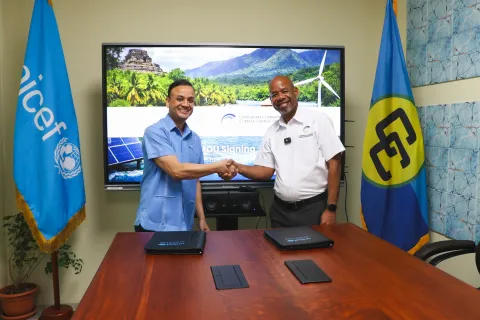
In partnership with the Sustainable Development Unit (SDU), UNICEF is supporting the development of a CLAC Plus – Climate Landscape Analysis for Children, a critical assessment designed to strengthen Belize’s understanding of how climate change affects children and other vulnerable populations. Climate research such as the CLAC Plus is essential because children experience climate impacts differently and more severely than adults; through disrupted education, threats to health and nutrition, reduced access to safe water, and increased protection risks. By generating child‑specific evidence, the analysis ensures that climate policies, investments, and adaptation measures are informed by children’s unique vulnerabilities and needs, enabling decision‑makers to design solutions that protect children’s rights, build resilience, and secure a safer future for the next generation.
Climate change increasingly threatens children’s health, education, access to safe water, and overall well‑being. From stronger storms and flooding to prolonged droughts, children face disruptions that can undermine their development and limit their opportunities, despite being among those least responsible for causing the climate crisis.
The CLAC Plus will generate essential evidence to guide child‑centered climate policies and investments, ensuring that solutions address the specific risks children face while strengthening community resilience. By elevating children’s perspectives and data on vulnerability, the assessment will help Belize build safer, more inclusive, and climate‑resilient systems for every child.


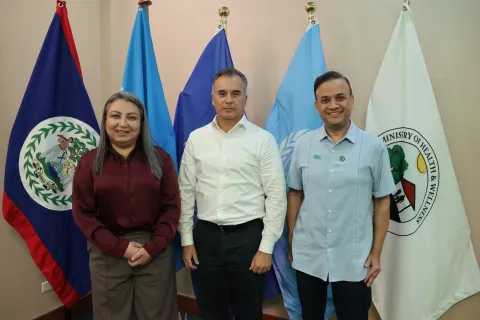
Speaking at the Earth Day opening ceremony, Sajid Ali, UNICEF Representative for Belize, highlighted UNICEF’s unwavering commitment to children who contribute the least to climate change yet bear its harshest consequences.
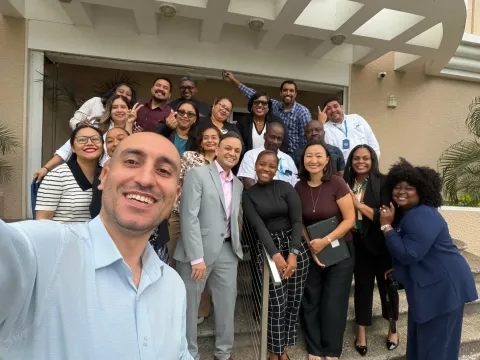
Later in the day, UNICEF participated in an educational fair that brought together high school–aged students to learn about organizations working to advance climate action. The fair provided an opportunity for young people to engage, ask questions, and explore how collective efforts are helping address climate challenges that affect their lives and futures.
UNICEF continues to work closely with national partners to ensure that climate action today protects children’s rights and secures a sustainable future for generations to come.