Preserving Garifuna culture and engaging youth through a dance known as Wanaragua in Belize
Cultural dance performed to engage young people
A dance performed primarily during the Christmas holidays, the Jonkunnu is a cultural staple in Garifuna towns and villages throughout Central America and the Caribbean, as well as diaspora communities in the United States. In Belize the particular style of Jonkunnu is known as the Wanaragua.
In an effort to not only continue to preserve their rich Garifuna culture but also to engage young people in positive activity, the Habinahan Wanaragua Steering Committee offered a 14 week course for children throughout Belize to learn the various aspects of Jonkunnu. With support from UNICEF Belize under their Community Based Partnerships for Violence Prevention initiative, the culmination of the program was the Junior Jonkunnu Competition held in Dangriga on December 16, 2018.
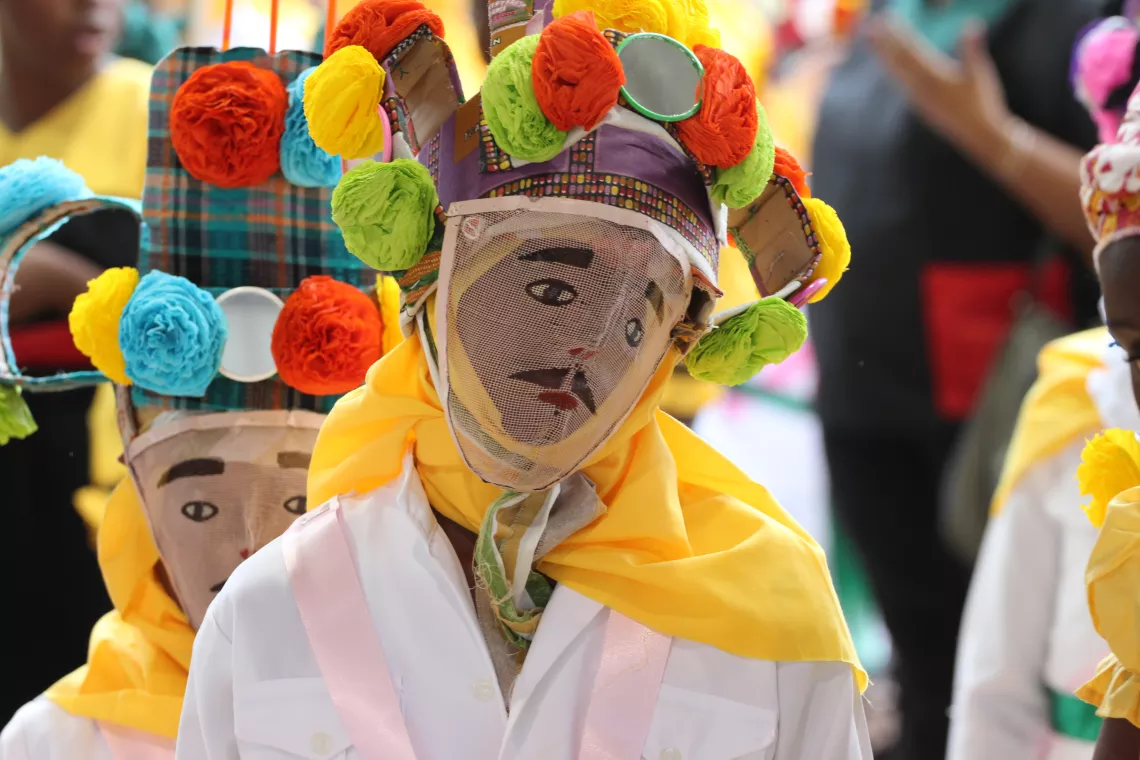
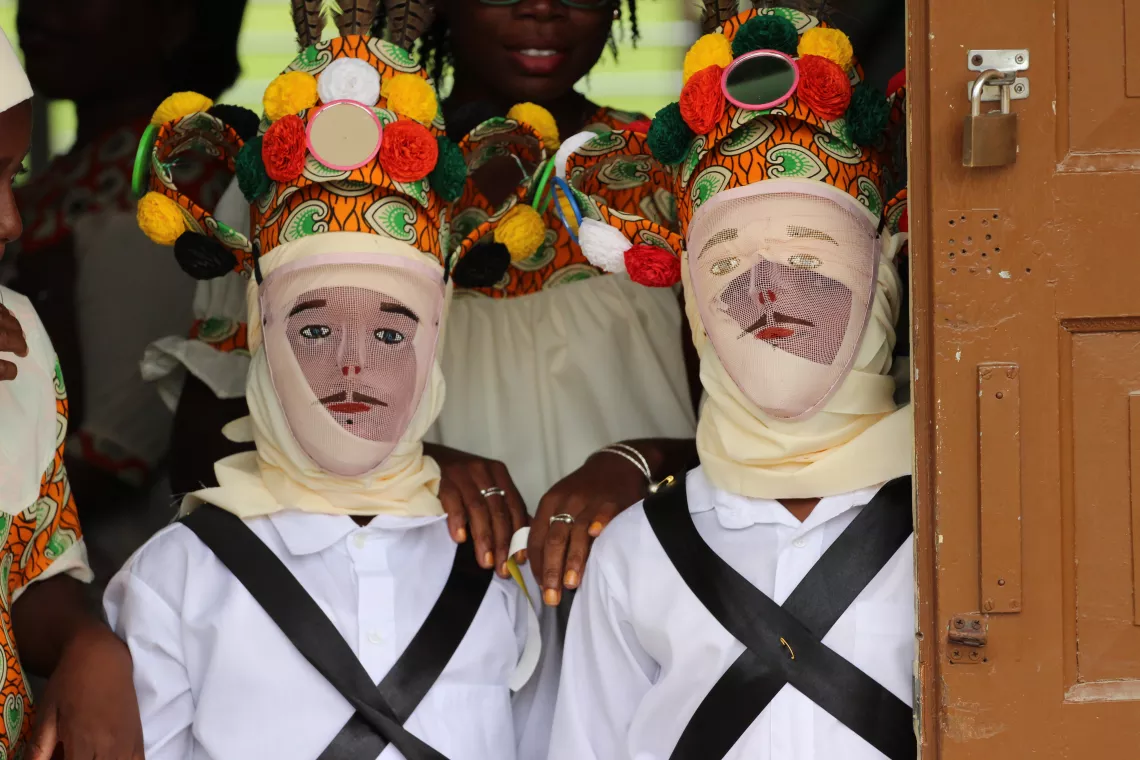
The mask of a Wanaragua dancer. Children learned to make the mask during the training.
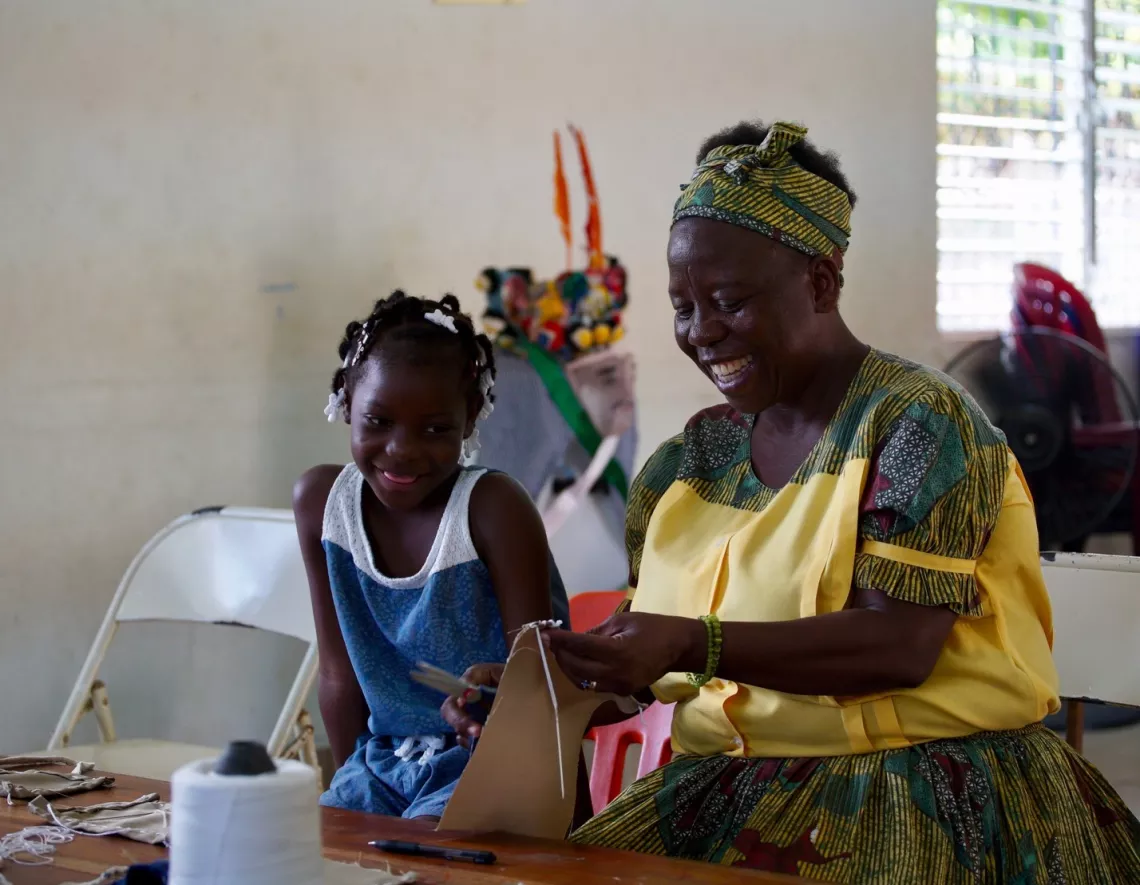
A Garifuna elder passing down her knowledge of Jonkunnu costume making to the next generation.
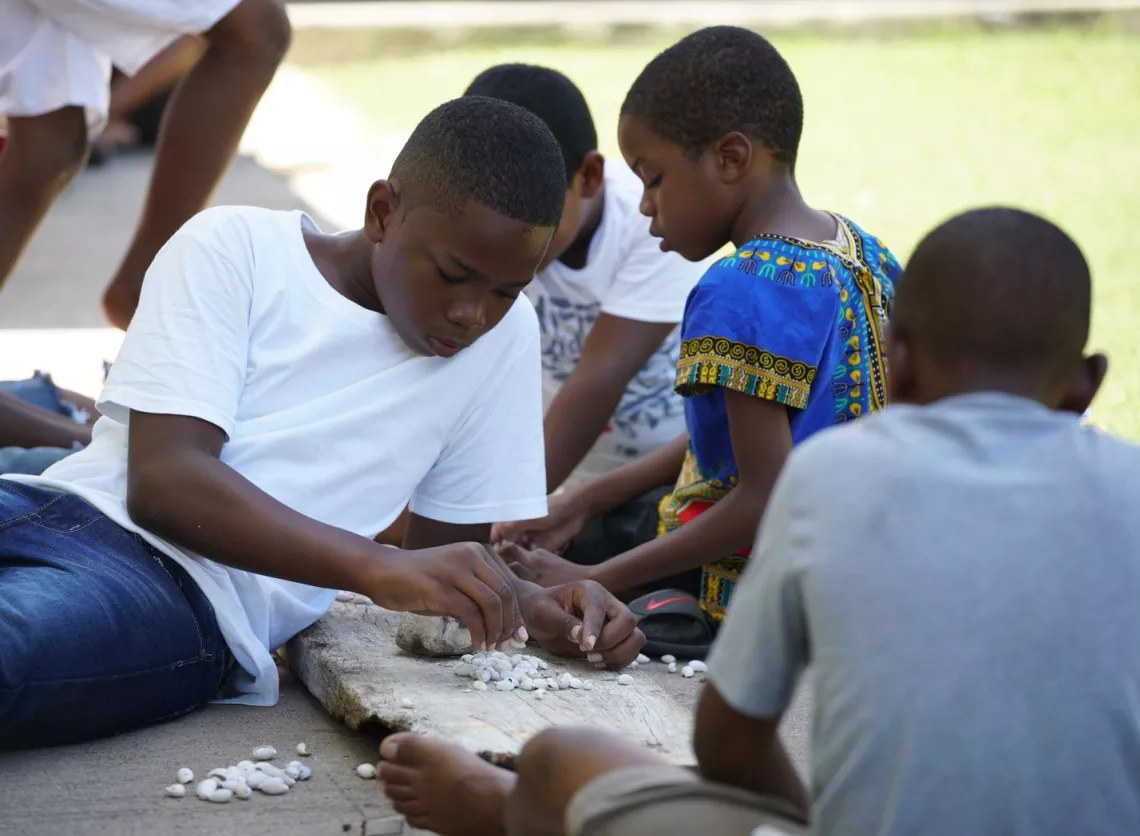
A group of boys preparing sea shells that will be attached to the knees of their costumes
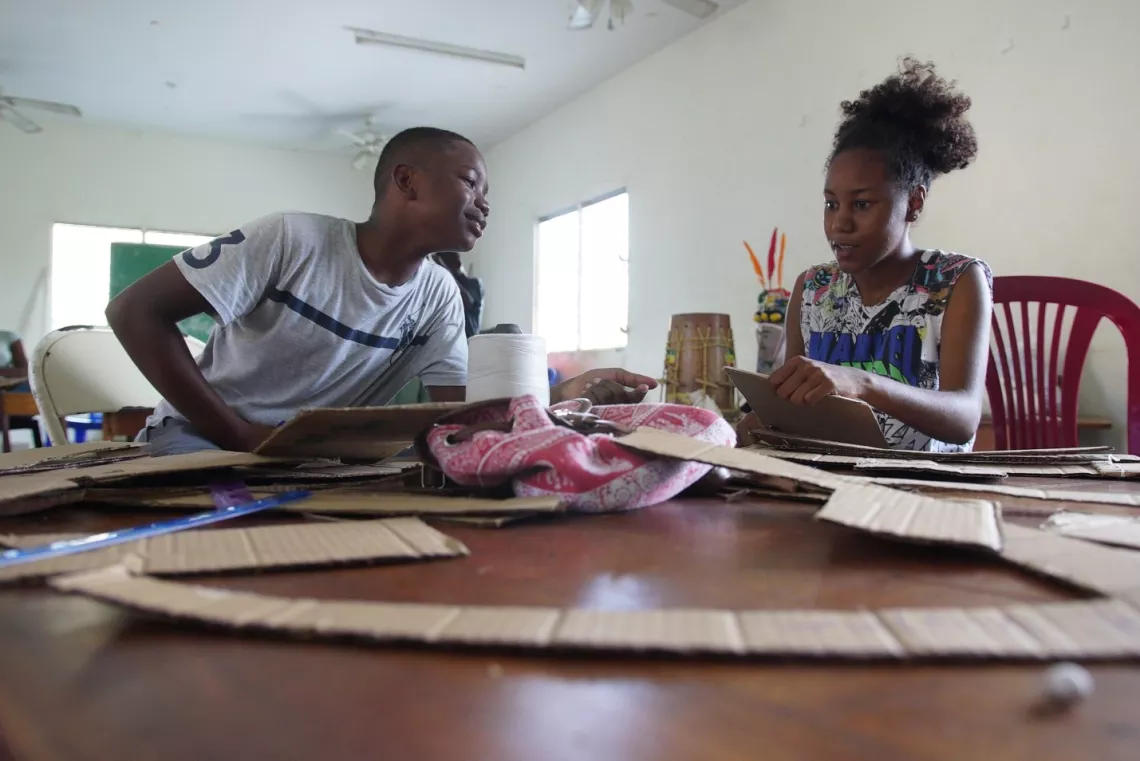
Cardboard cut-outs form the foundation of the elaborate crowns the dancers wear.
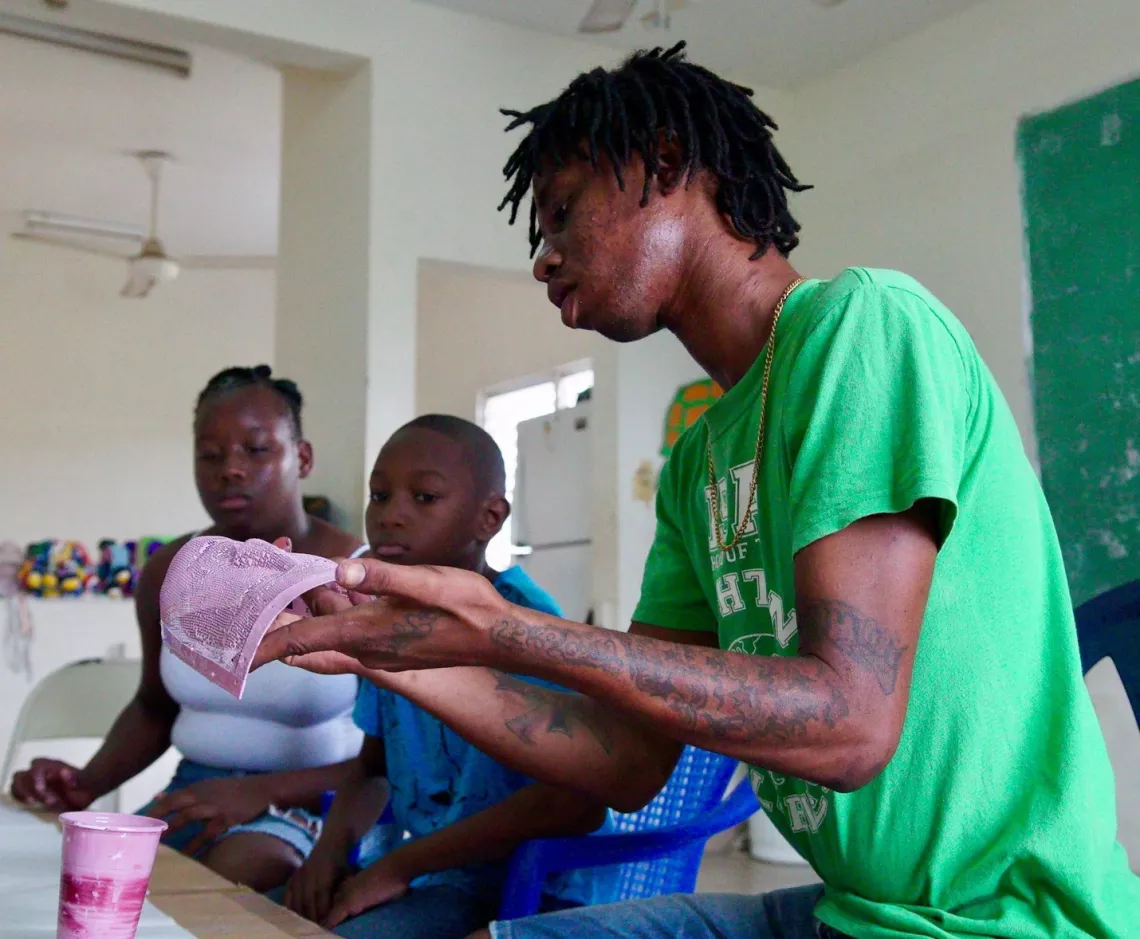
The masks are painted pink to resemble white plantation owners. Jonkunnu was originally a way for the Garifuna to surreptitiously mock their colonial-era masters.
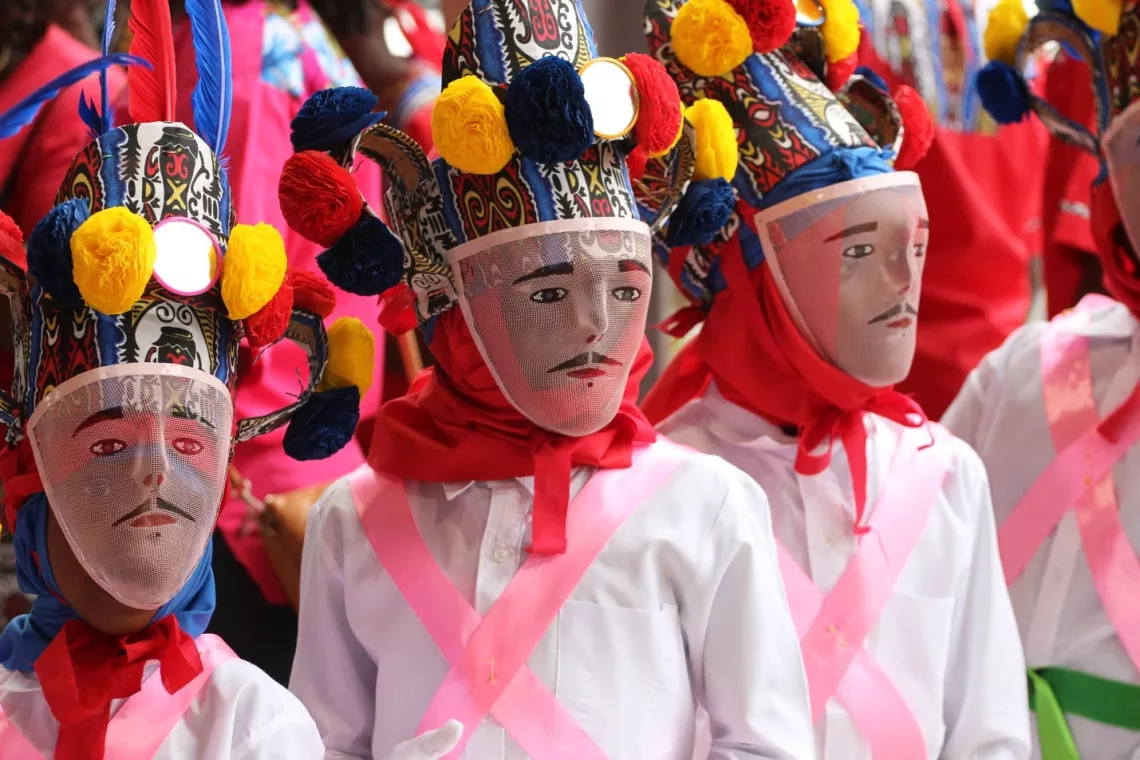
The origins of the Jonkunnu date back over 200 years.
The Garifuna originated in the mid 17th century when African slaves brought to the eastern Caribbean intermarried with local populations of Arawak and Carib Indians.
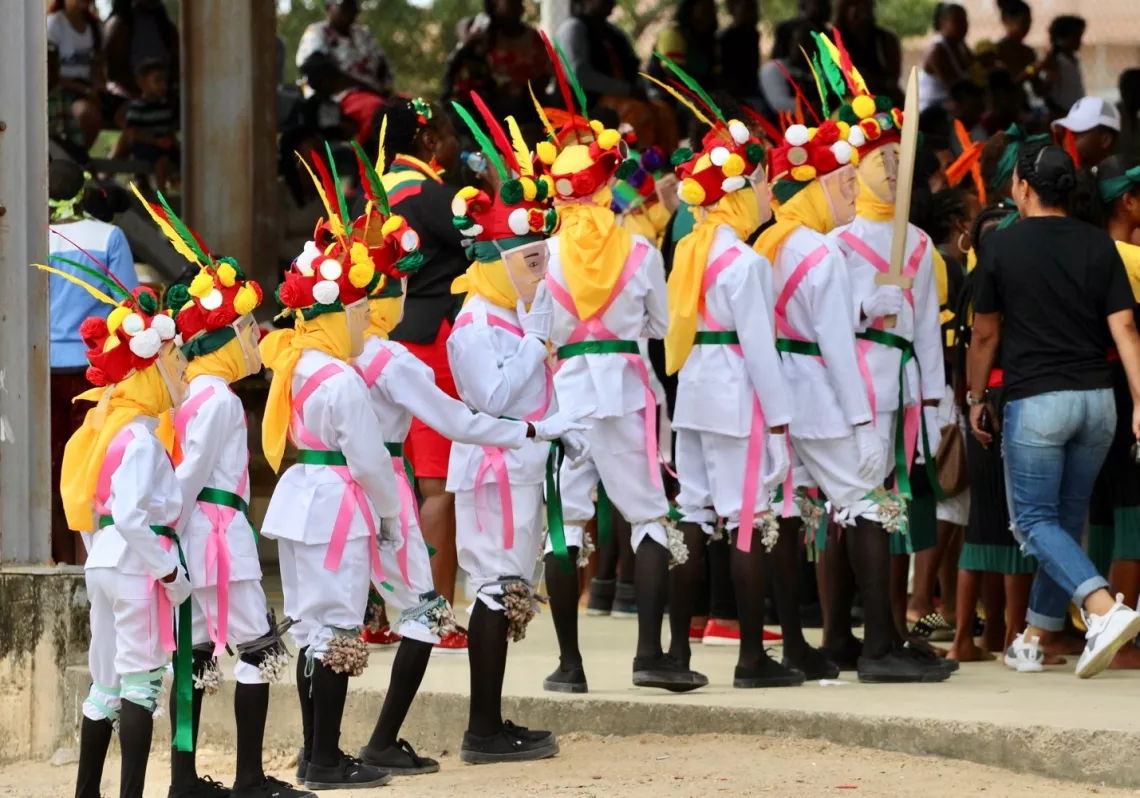
A group of dancers prepares to enter the auditorium at the Junior Jonkunnu competition in Dangriga.
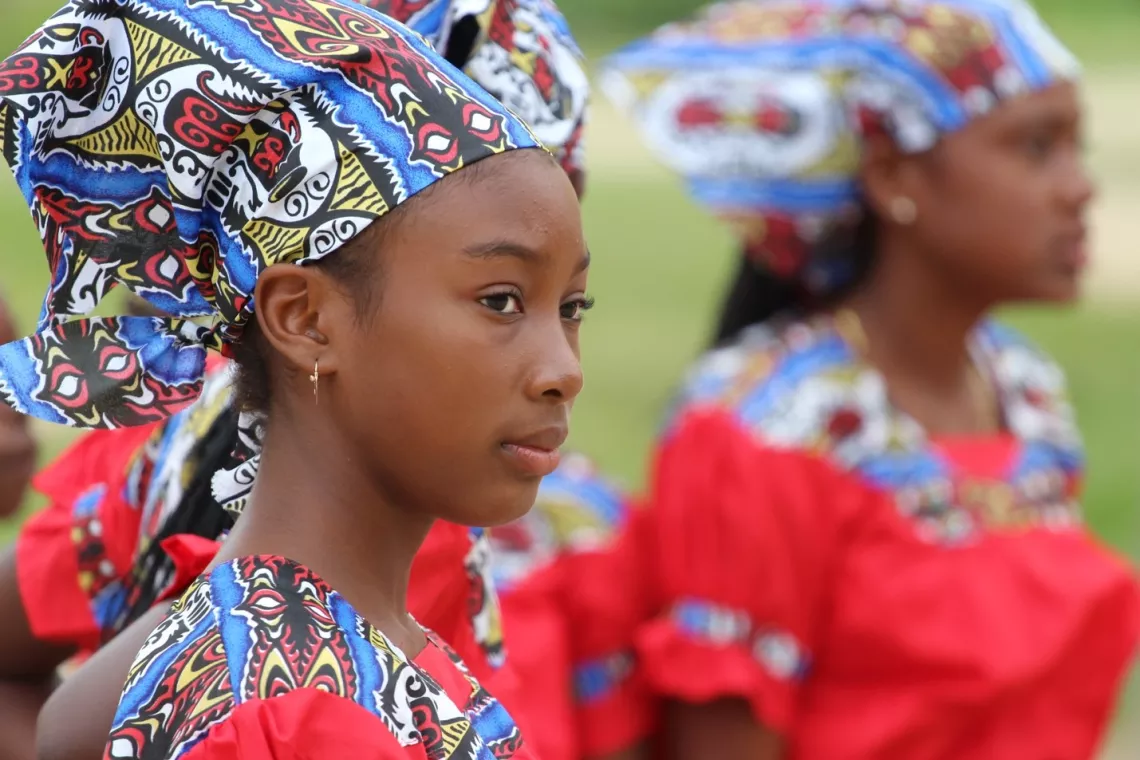
Traditionally, only males dance Wanaragua. Females sing
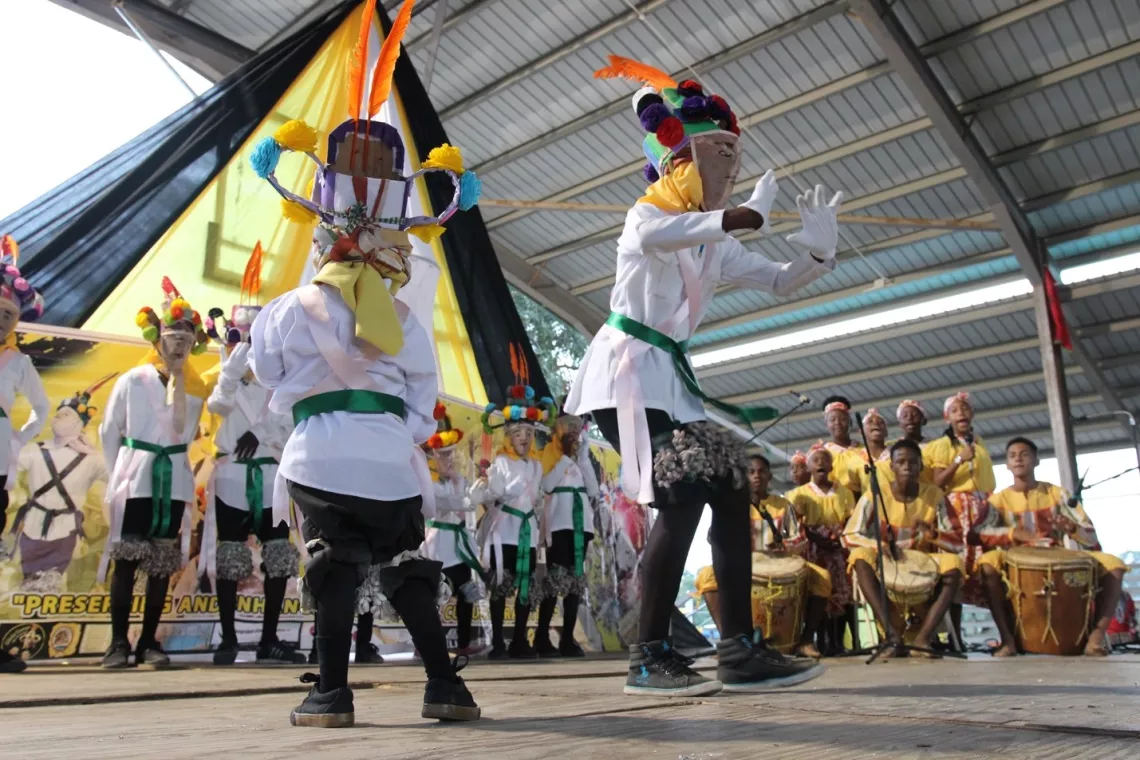
In 2001, UNESCO declared Garifuna language, dance and music in Belize to be a “Masterpiece of the Oral and Intangible Heritage of Humanity”.
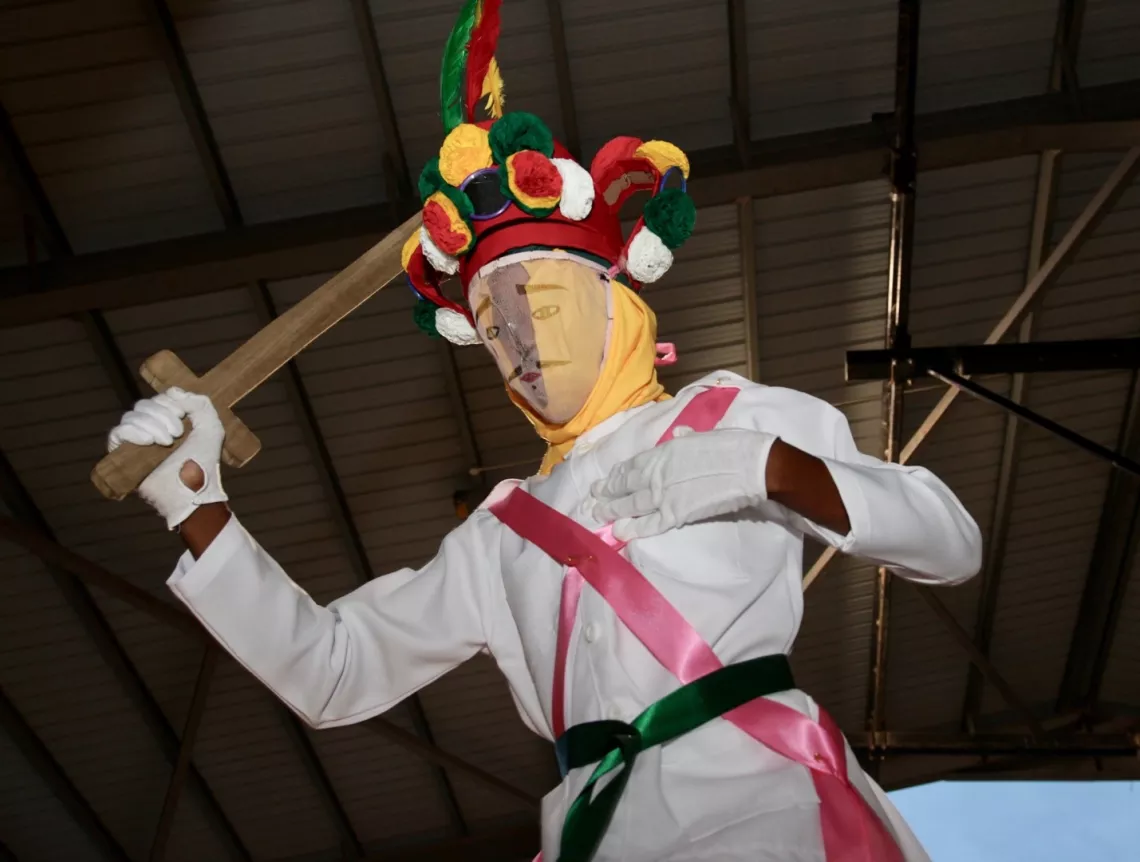
The Bankuata (swordsman) keeps the dancers in step. Wanaragua is unique in that the dancers lead and the drummers follow.
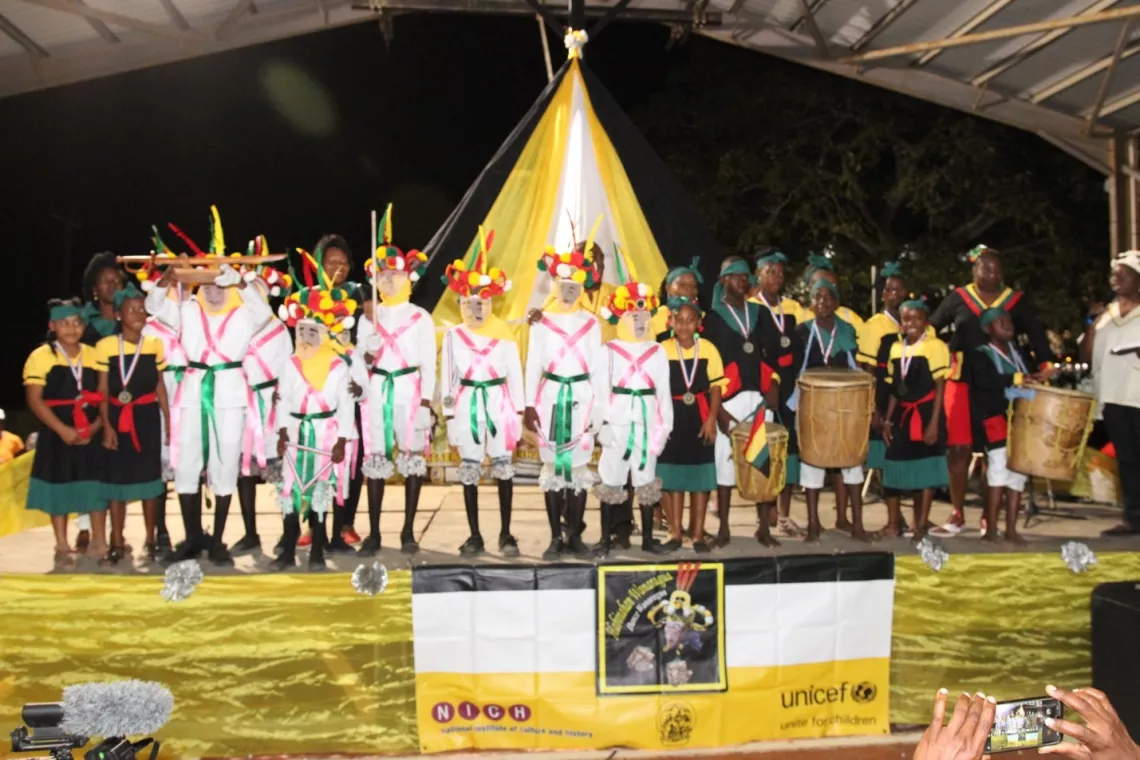
First place at the 2018 Junior Jonkunnu competition went to Holy Ghost Primary School from Dangriga