Children leading change
Belize’s National Children’s Parliament breaks barriers

In a society where the cultural norm has long been that children should be seen and not heard, Belize is rewriting the narrative. The National Children’s Parliament (NCP), led by the National Committee for Families and Children (NCFC), the National Assembly of Belize and supported by UNICEF Belize and partners, is a bold example of adolescent development and participation in action.
Held as part of World Children’s Day celebrations, the NCP places children in the highest spaces of decision-making, the House of Representatives, to debate issues that matter most to them. This year marks the fourth edition of the Parliament, a milestone in advancing child participation and reinforcing Belize’s commitment to Article 12 of the UN Convention on the Rights of the Child, which guarantees every child the right to be heard.


Children and adolescents are not just beneficiaries of policies, they are agents of change. Through structured debates and mentorship, child parliamentarians learn governance, leadership, and advocacy skills while influencing real policy reforms. Past sessions have driven progress such as raising the legal age of marriage to 18, reducing child marriage and early unions.
UNICEF believes that listening to children is not optional, it’s a legal and moral obligation. When children speak, policies become stronger and more relevant. Participation empowers young people, builds civic responsibility, and strengthens democracy.
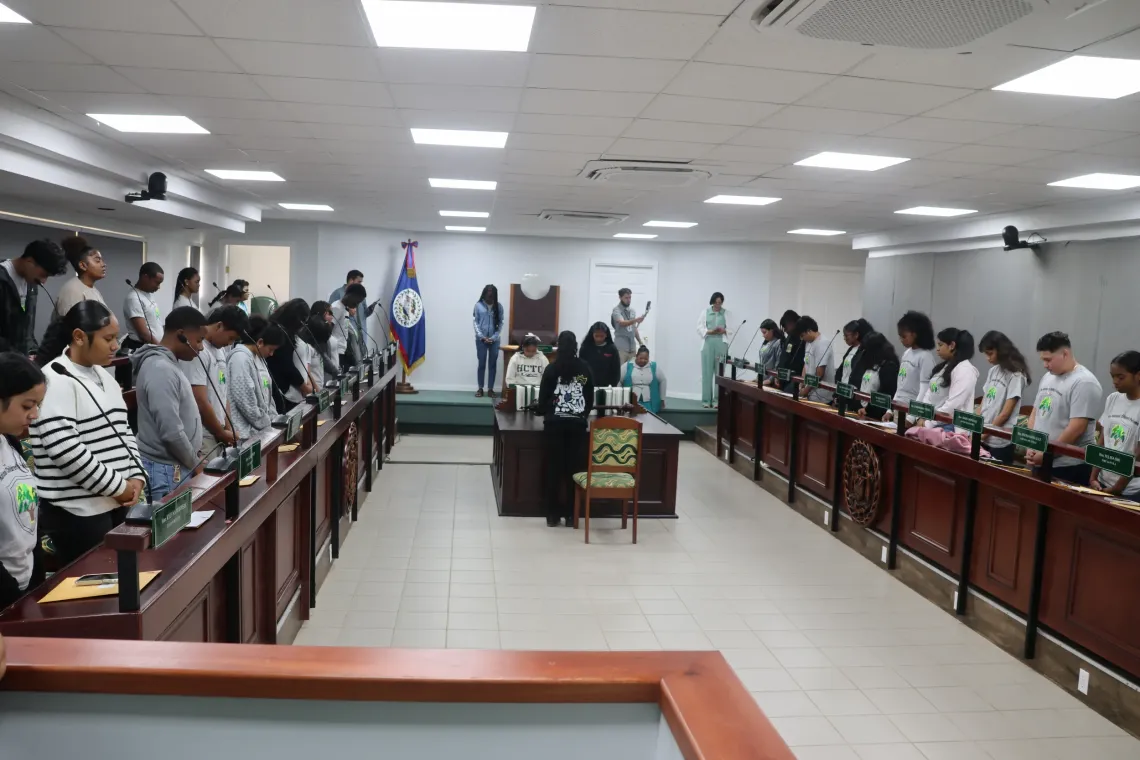

The NCP challenges cultural norms and proves that children’s voices matter. It is an inspiring call to action for leaders, communities, and organizations to make spaces available for children in decision-making. Investing in adolescent participation is investing in Belize’s future as it creates informed, engaged citizens who will lead tomorrow.


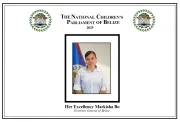

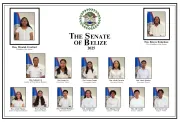

This World Children’s Day, let’s commit to listening to children and amplifying their voices. Every school, community, and institution can create platforms for meaningful participation. Together, we can ensure that children are not just seen—they are heard, respected, and empowered.
For Every Child, Every Right.