When people hear MICS, they think data.
Tables. Indicators. Percentages. Dashboards.
Long questionnaires. Technical debates about sampling and methodology.
And yes, MICS is all of that.
But that’s not why I love it.
What I love most about MICS is that, beneath all the numbers, it’s really about people.
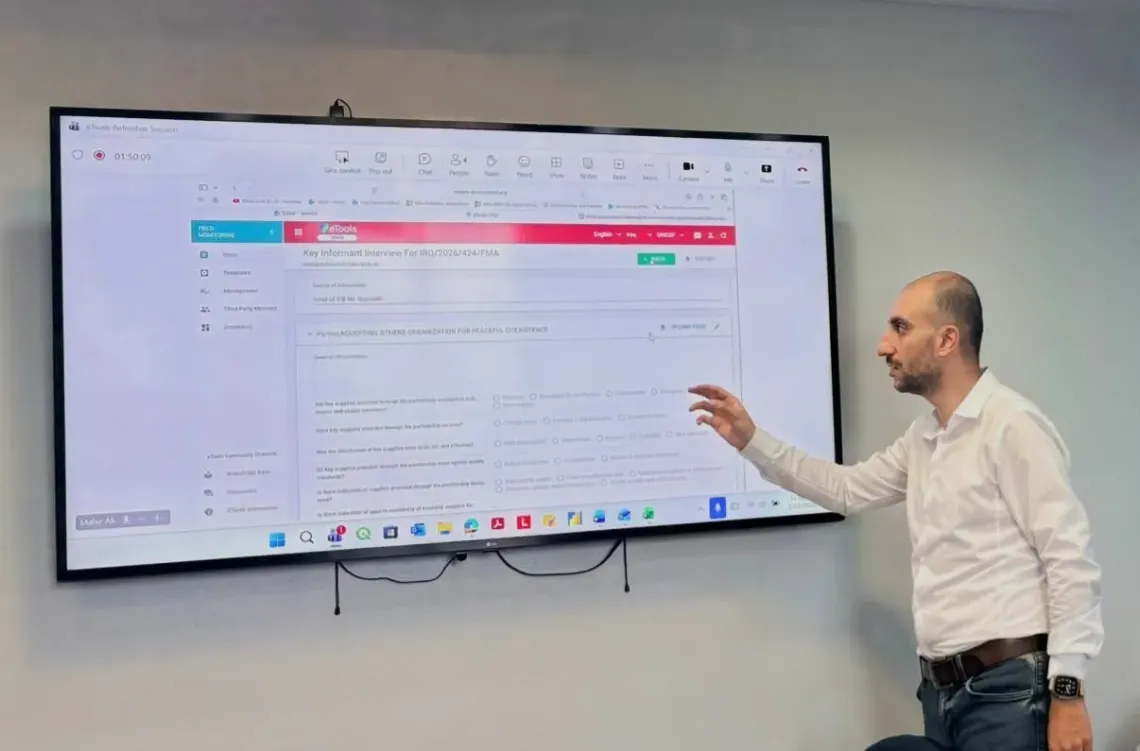
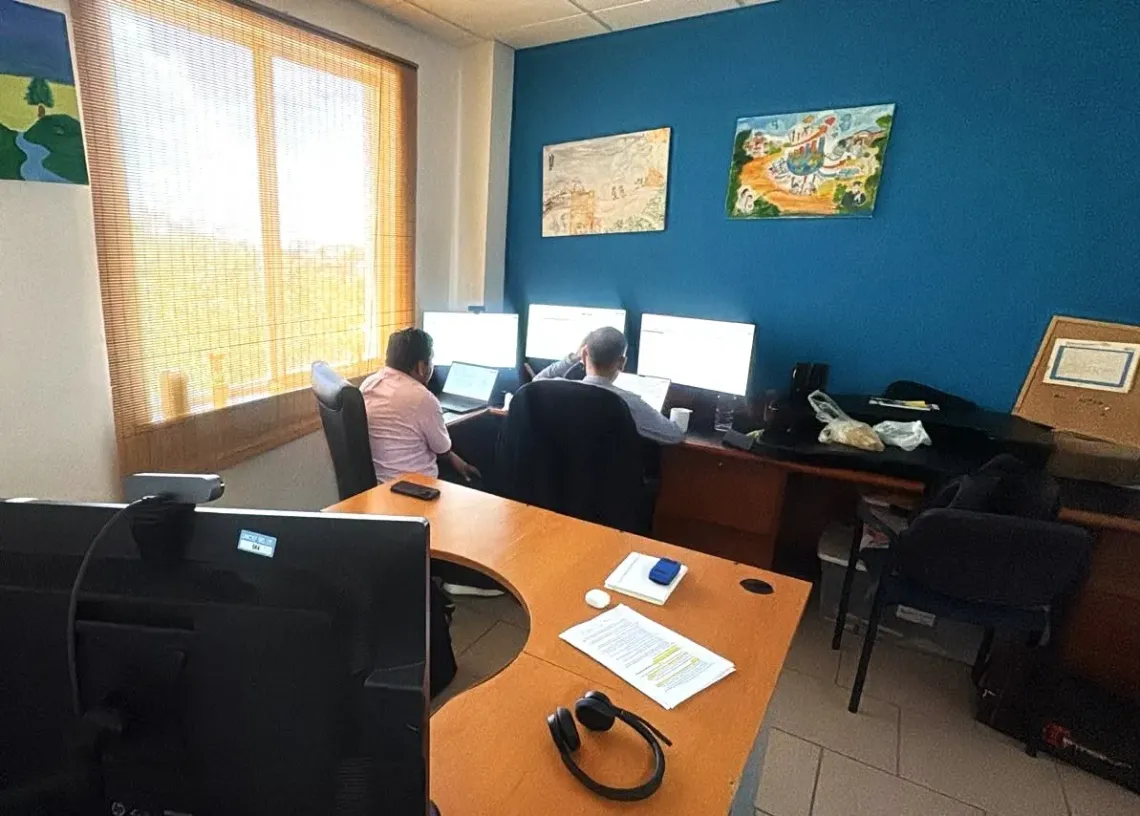
When I started my stretch assignment in Belize, I needed to understand the country, its priorities, its gaps, its children’s realities, fast. My role was to provide support to the Country Office as they prepared to transition to the new MCO, and I didn’t have the luxury of months of immersion.
So, I turned to the data. Not because numbers are easy, but because numbers help us see clearly. We get to see what children are experiencing. See how Belize compares to other countries. See where systems lift children up and where they let them down.
MICS is the gold standard for understanding the lives of children in Belize. As I helped finalize Belize's MICS7 Report, I saw how it bridges the gap between policy and reality, shining a light on children's experiences and guiding decisions that shape their futures. For me, MICS wasn’t “another report.” It was a bridge that connects national priorities with household realities and brings children into decision-making spaces, even in closed meeting rooms. It is a bridge that pulls together ministries, partners, sectors that rarely sit at the same table, and communities that are too often left out.
And on a personal level, as someone arriving from another UNICEF office, MICS helped connect me with people too.
Using MICS is also an act of respect. It reminds us that:
Children deserve to be counted properly.
Families’ realities deserve to be captured systematically.
Policies should be shaped by truth, not assumptions.
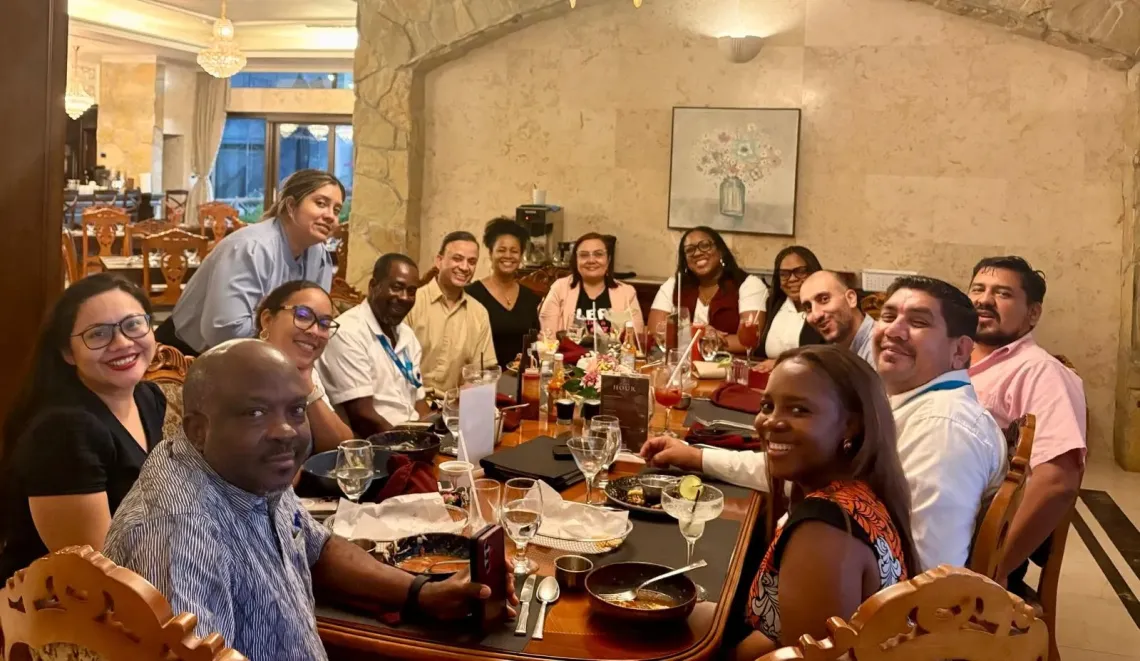
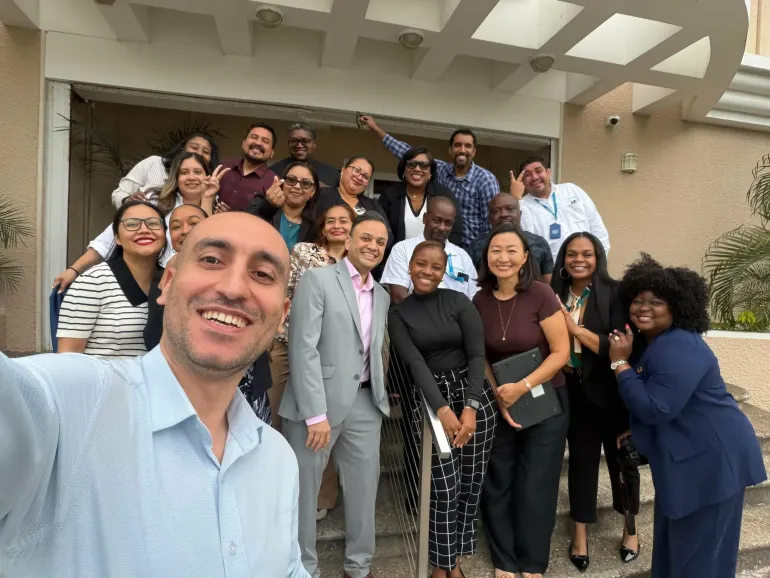
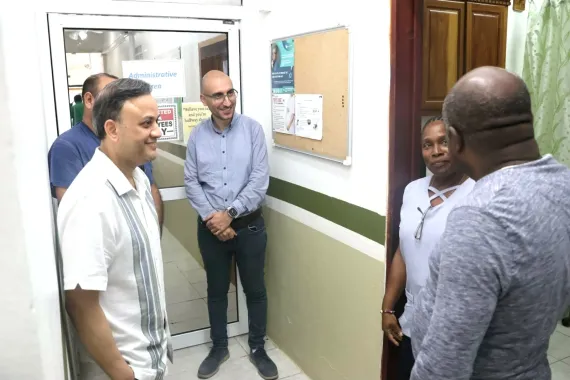
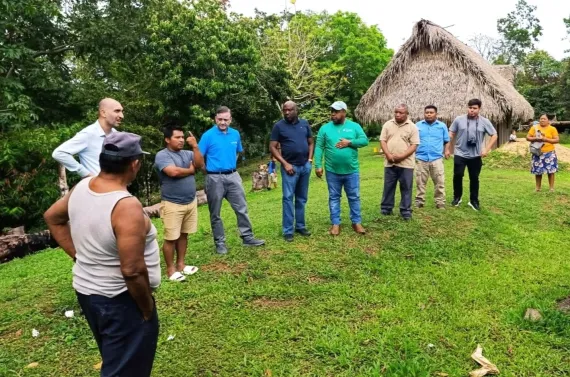
Working with colleagues and partners across Belize; I saw how powerful MICS becomes when everyone rallies around a shared purpose. From government institutions to development partners and in remote communities; ensuring better outcomes for children continues to be a unifier.




And there’s another reason I love it: MICS keeps us humble.
Good data doesn’t bend to our preferences. It doesn’t confirm what we hope is true. It shines a light on what is true - progress and gaps alike. It forces all of us including the government, UNICEF, UN agencies, banks, partners, to ask harder questions, make smarter choices, and stay accountable to the children we serve.
So, is MICS “just a measurement tool”?
Absolutely not. MICS is a mirror.
A mirror that reflects realities clearly, especially at a time when we’re all trying to do more with less, shift from service delivery to system strengthening, and broaden our partnerships. Children can’t afford for us to make decisions based on guesswork. That’s why the mirror matters.
My mission in Belize reminded me that some of UNICEF’s most meaningful work happens in the quiet, powerful spaces where data, dialogue, and partnership come together. While not always visible, not our loud, most importantly it is the most meaningful.
So, what do I love about MICS?
I love the realities it reveals.
The bridges it builds.
The dialogues it fosters
The opportunities it opens.
And here in Belize, I love that MICS showed me, once again, that when UNICEF works with communities, government, and partners to unite around children, data becomes more than numbers.
It becomes change.
It becomes connection.
It becomes possibility.
For Every Child