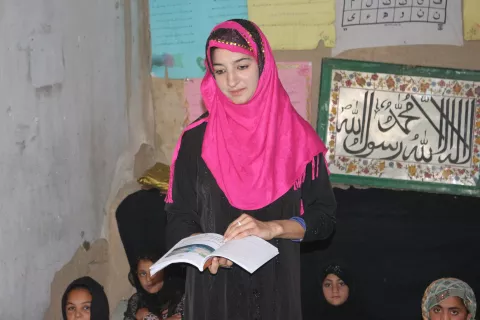
End Child Marriage, Invest in Girls. Protect their Futures: UNICEF Afghanistan on International Day of the Girl
Statement by Dr. Tajudeen Oyewale, UNICEF Representative in Afghanistan
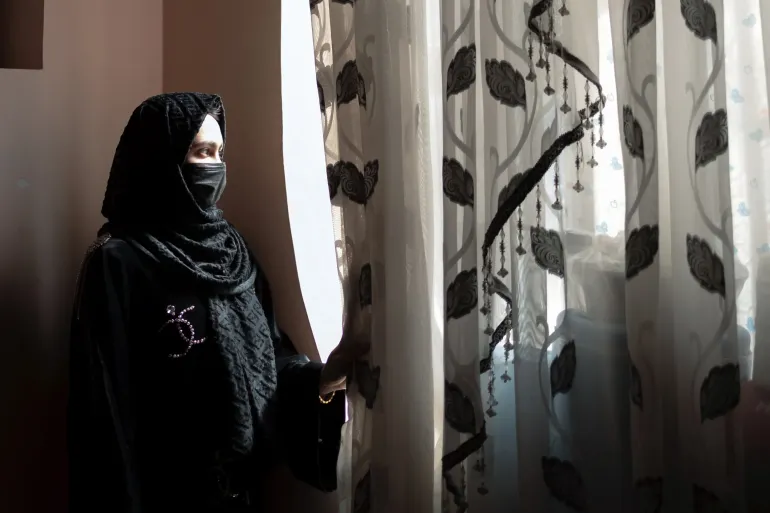
KABUL, 11 October 2026 – “Every girl deserves a childhood. She deserves to learn, to grow, to be safe, to develop her skills and to have the opportunity to shape her own future. Yet, for too many girls, childhood is cut short by child marriage and the loss of opportunities that should define these formative years. On International Day of Girl 2026, UNICEF joins girls, families, communities and partners around the world in celebrating the strength and resilience of the girl child and their family; and calls for urgent action to end child marriage.
“According to the Afghanistan Multiple Indicator Cluster Survey (2022-23), 28.7 per cent of women aged 20-24 were married before the age of 18. The survey also reported that in some parts of the country, as many as 1 in 2 girls were married before the age of 18.” Child marriage has profound consequences for girls’ health and well-being; disrupts their education and limits their future opportunities. It increases the risk of violence, social isolation, and heightens the risks associated with early pregnancy and childbirth. Pregnancy-related deaths are a leading cause of mortality among girls aged 15 to 19 in Afghanistan
Child marriage is not inevitable. Globally, an estimated 68 million child marriages have been averted over the past 25 years through investment in girls’ education, legal reform and social protection.
In Afghanistan, preventing child marriage requires collective action. This include (1) protecting every girl’s right to education to expand safe and quality learning opportunities and pathways; (2) strengthening protection and support for girls at risk of or affected by child marriage; (3) support to vulnerable families and communities so that no household has to turn to child marriage to cope with economic hardship and (4) listening to girls and investments in health, education and protection services for girls.
While education alone cannot end child marriage, keeping girls in school is one of the most powerful ways of protecting their rights. As such, UNICEF renews our call on the de facto Authorities in Afghanistan to open schools to adolescent girls beyond grade 6. We also call for collective action by families, communities and local stakeholders including religious and community leaders, service providers, and the international community to end child marriage.
UNICEF will continue to work with communities, local stakeholders and partners to prevent child marriage and protect girls at risk, by supporting adolescent girls, including adolescent mothers, with access to education, life skills, health, protection and other essential services.
“On this International Day of the Girl, let us renew our commitment to end child marriage by promoting a healthy childhood, sustain advocacy for access to education and support opportunities for every girl child in Afghanistan”.
Media contacts
About UNICEF
UNICEF works in some of the world’s toughest places, to reach the world’s most disadvantaged children. Across 190 countries and territories, we work for every child, everywhere, to build a better world for everyone.
UNICEF has been in Afghanistan for over 70 years. For more information about UNICEF and its work for children in Afghanistan, visit https://www.unicef.org/afghanistan/ or follow us on X, Facebook, Instagram or subscribe to our YouTube channel.