From Crisis to Hope
With support from local authorities, the Australian Government via the Australian NGO Cooperation Program (ANCP), UNICEF ensured Meena’s brave 12-year-old daughter could go back to school and rebuild her future with her family by her side.
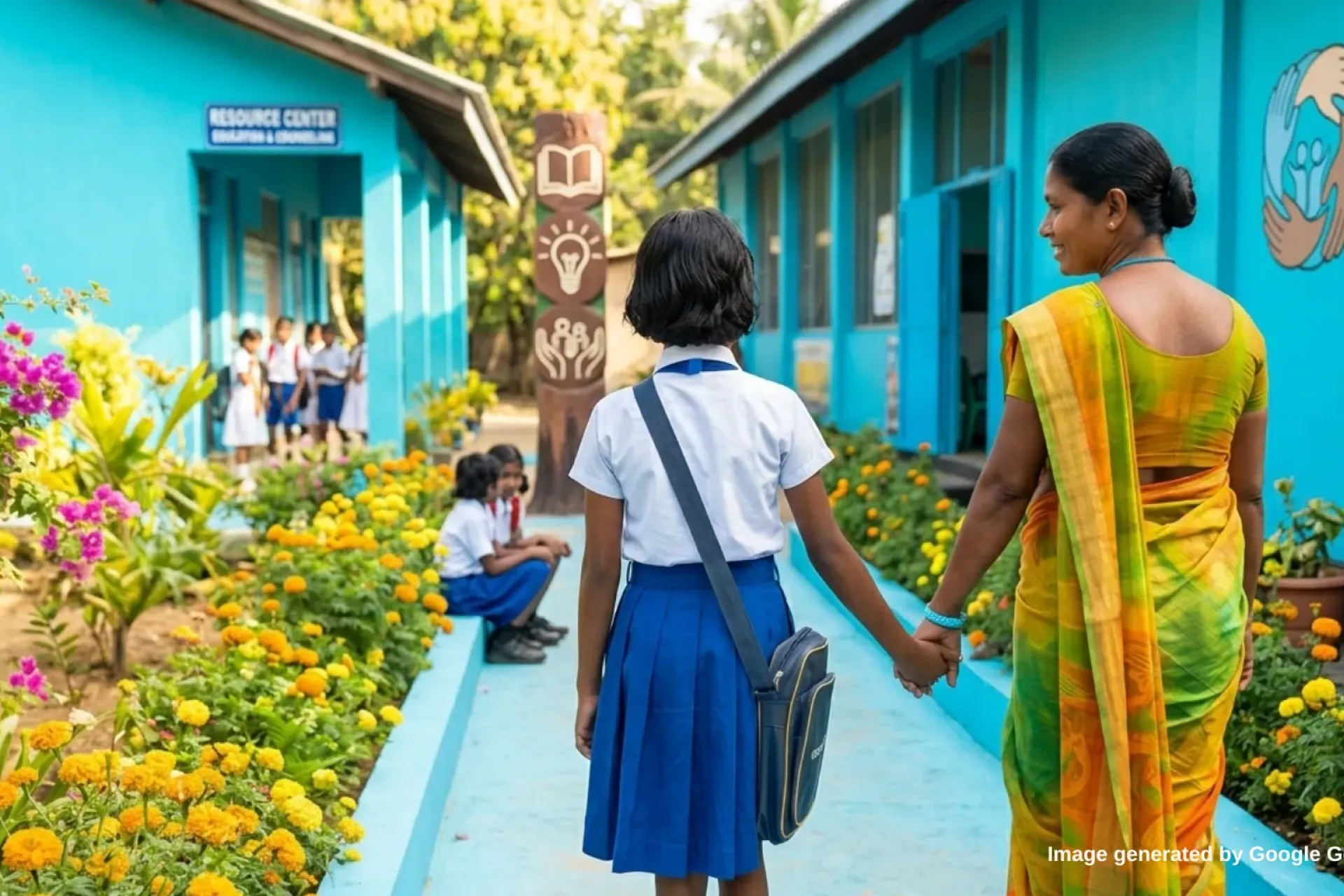
*Name has been changed to protection identity
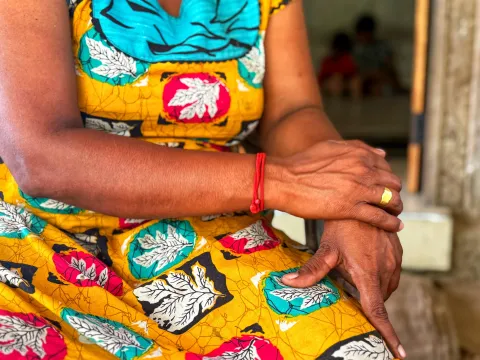
*AI generated image
"When everything happened, I thought my daughter had lost her future. Today, she is back in school, surrounded by people who continue to stand by us. That gives me hope."
The day Meena* learned that her 12-year-old daughter had been sexually abused by a religious leader from their neighbourhood, her world fell apart. "I kept asking myself how this could happen to my child," Meena recalled. "But I knew I had to be strong. My daughter needed me."
Determined to protect her child, Meena immediately reported the abuse to the police and sought medical care. From the moment the abuse was reported, a continuum of child-friendly services was activated to protect her daughter and support the family. Empowered by the system strengthening interventions supported by the Australian Government through the Australia NGO Cooperation Program (ANCP) via UNICEF, the government partners worked together to ensure the child received coordinated health, protection, legal and psychosocial services, helping her remain safely with her family while focusing on a journey towards recovery.
A Probation Officer from the Department of Probation and Child Care Services (DPCCS) was appointed as the family's dedicated case manager, providing continuous care and ensuring that every aspect of the child's recovery was carefully coordinated.
The Probation officer convened a multidisciplinary case conference, bringing together professionals from different sectors to assess the child's safety, wellbeing and future care, while connecting the family with the services they needed as part of the continuum of child-friendly services.
Throughout the process, Meena remained firm about one thing.
"My daughter belongs with her family," she said. "I wanted her to know she was safe, loved and never alone."
Following a careful assessment, it was confirmed that Meena’s daughter could continue to remain at home under the ongoing supervision of the DPCCS, rather than being separated from her family and placed in institutional care.
Regular follow-up visits and monitoring ensured her continued safety and wellbeing. The support has also extended well beyond immediate protection.
Both Meena’s daughter and her family received counselling to help them cope with the trauma and begin healing together. The family was also connected to the Legal Aid Commission, which continues to provide the girl with legal representation throughout the court proceedings, helping ensure that her rights and best interests remain protected.
Despite everything she had endured, the young girl has now resumed her education, an important step towards restoring a sense of normalcy and hope for the future.
Meena's family was living in severe poverty. Every morning before sunrise, she travelled long hours to work in agricultural fields harvesting onions and chillies. She would return home only after dark and toiled for wages that were barely enough to feed her children.
"Some days, I worried more about how I was going to put food on the table than anything else," Meena said. "It was exhausting, but I had no choice."
Recognizing the family's economic vulnerability, UNICEF, through the DPCCS and with support from the Australian Government through the Australia NGO Cooperation Program (ANCP), provided livelihood assistance to help ease some of the financial pressures facing the household. This complemented the broader package of child protection, psychosocial and legal support already in place, allowing Meena to spend more time supporting her daughter's recovery while working towards greater stability for the family.
Reflecting on the support they received, Meena said, "We still have challenges, but now we are not facing them alone."
For Meena's family, recovery has not been the result of a single intervention. It has been made possible through a coordinated system that placed the child's best interests at its core, keeping her safely with her family, ensuring she could continue her education, provide counselling, legal support and ongoing case management every step of the way.
With support from ANCP, UNICEF has strengthened collaboration with government and community partners to improve access to child-friendly services across Sri Lanka's child protection system. Alongside direct assistance for vulnerable families, the interventions have strengthened child protection case management by training, mentoring and providing technical support to Probation Officers, Child Rights Promotion Officers (CRPOs) and National Child Protection Authority (NCPA) officers. For Sri Lanka, these interventions and support have translated into a stronger child protection system that is better equipped to respond to children in crisis with care and compassion.