

Coping as a caregiver during a disaster.
During disasters like the floods and landslides, taking care of your loved ones, especially children, can be challenging. If you feel overwhelmed, remember that taking care of yourself helps you take care of them.
General advice (self-care & mindset)
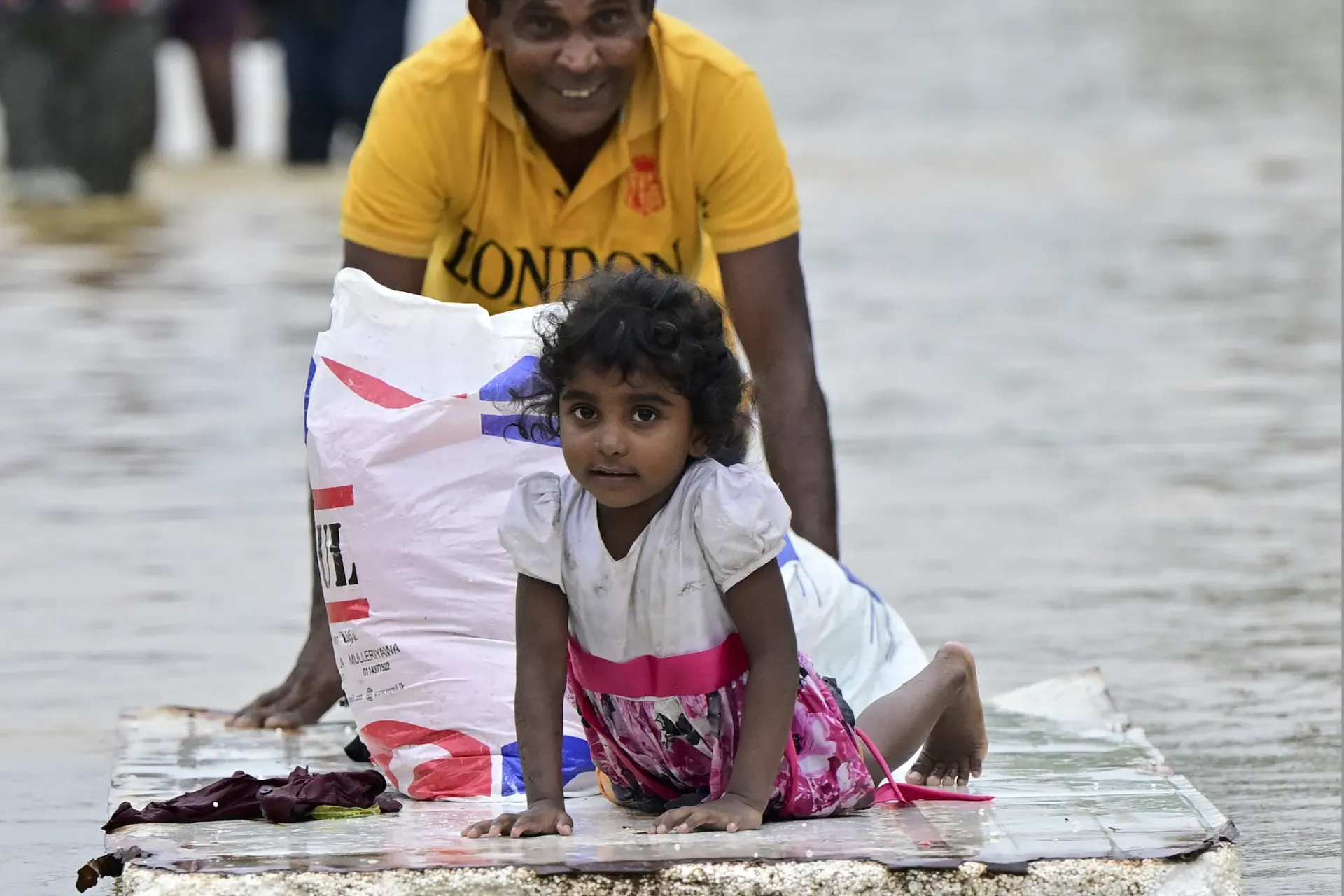
Caption: During disasters like the floods and landslides we are facing right now, taking care of your loved ones, especially children, can be challenging. If you feel overwhelmed, remember that taking care of yourself helps you take care of them.
What you need to know:
- Your reactions are normal: you might feel angry, confused, or find it hard to make decisions. You may have vivid memories of the water rising that cause your heart to race. This is your body reacting to danger, not a sign of weakness.
- Share the work / responsibility: If there are other trusted adults nearby, take turns watching the children so each of you can rest.
- Don’t judge yourself harshly: you cannot be a perfect caregiver every day. Be patient with yourself, accept your limitations and try to do the best you can under the circumstances.
- Routines help: as much as possible, keep to a regular routine for meals and sleep. This will help you to feel in control.
- Learn from your past experiences: think of past challenging situations you have successfully faced. What helped you manage them? Try to use some of those techniques to help you be in control.
- Ask for help: if you find yourself in a situation where you are struggling to cope, reach out for help from a trusted person or a service provider.
General advice for parents
Is your child acting differently? It is normal for children to react strongly when they feel that they or their loved ones are in danger, or if their usual lives are disrupted. You might see:
- Physical complaints: Headaches, stomach aches, or loss of appetite.
- Sleep issues: Nightmares, screaming at night, or fear of sleeping alone.
- Regression: Returning to younger behaviors like bedwetting, thumb-sucking, or clinging to you.
- Mood: Being unusually active, aggressive, or completely withdrawn.
How you can help right now
- Stay calm: Children learn by watching you. Try to model calm behavior, even if you are worried. Calm adults are reassuring to children of all ages.
- Listen & validate: Don't say "don't be sad." Acknowledge their feelings: "I can see this is hard for you".
- Be honest: Give them truthful information they can understand. Don't make promises you can't keep (like "we will go home tomorrow"), but do promise you will do everything to keep them safe.
Creating a "new normal"
- Set a routine: Even in a shelter, doing things at the same time (eating, sleeping) can help children feel life is predictable and safe.
- Praise them: Appreciate your child for coping or helping, no matter how small the action.
- Self-care for you: You do not have to be a perfect caregiver. If you are overwhelmed, ask a trusted adult to watch the kids so you can rest for a moment.
Guidance for teenagers
What teens are feeling
- Independence vs. safety: It is healthy for them to want space, but hard to give during an evacuation.
- Overwhelmed: They may feel guilt, shame, frustration with authority, or a desire to take risks.
- Information overload: Constant news from media or from phones can increase their anxiety, or lack of access to information or online communication due to power cuts may make them feel agitated
Loss of peer support: They may also fear for the safety of their peers during the crisis due to loss of communication.
How to support teens
- Involve them: Teenagers cope better when they feel useful. Encourage them to help with clean-up, caring for elderly relatives, or organizing supplies.
- Limit "doom-scrolling": Encourage them to take breaks from the news. Suggest looking at social media together to discuss what they are seeing.
- Respect privacy: If staying in a crowded shelter, try to allow them a little privacy or quiet time if it is safe to do so.
Handling conflict
- Cool down: If you feel angry at their behavior, step away and cool down before speaking. This keeps the relationship respectful.
- Validate: Let them know it is okay to feel angry or frustrated about the situation.
Situation-specific safety
Scenario A: Leaving your home
- Explain steps: Break it down: "First we will pack, then we will move to the shelter." This reduces confusion.
- Comfort objects: Encourage your child to take one favorite toy or book. It provides a sense of security.
- The "why": Reassure them you are not leaving because of anything they did wrong.
Scenario B: Moving / on the road
1: General advice
- Stay connected: In floodwaters or crowds, hold hands firmly. Use a rope or cloth to connect children to you if the current is strong or the crowd is dense.
- ID tags: For young children, write their name and your phone number on a label/paper. Seal it in a plastic bag and attach it to their clothes.
- The plan: Agree on a specific meeting point in case you get separated.
2: Ideas for games to play with the kids
- The "helper" mission: Give the child a special "mission" they can handle, such as "Your job is to keep an eye on this blue backpack" or "Remind us to drink water every hour".
- The "5 Senses" game: As you walk or wait, ask the child to name:
- 5 things they can see (e.g., a tree, a truck).
- 4 things they can hear (e.g., wind, footsteps).
- 3 things they can touch (e.g., their clothes, the ground, bench).
- 2 things they can smell (e.g. flower, food)
- 1 thing they can taste (e.g. water).
Scenario C: Living in a shelter
1: General advice
- Assign roles: Give children a specific job, like watching the backpack or reminding the family to drink water. It makes them feel capable.
- Play: Encourage them to play with other children. Play is a stress reliever, not a distraction.
- Protection: Never leave children alone or with strangers. If you must leave, leave them with a trusted adult you know well.
2: Ideas for games to play with the kids
- "Clap and catch" (group game): Stand in a circle. Make eye contact with someone and "throw" an imaginary ball by sliding one hand over the other with a single CLAP. The receiver catches it with a CLAP and passes it on.
- "Breathing Cards" (calming): Draw a square or triangle or a flower on a scrap of paper (or in the dirt). Have the child trace the line with their finger, inhaling on one side and exhaling on the next.


Sinhala and Tamil Lauguage version
These were developed with the support of MHPSS.net