Knowledge and Skills for the Future of Children and Young People
Nelt Group and UNICEF – One Year of Joint Mission for Education Toward a Sustainable Future

- Srpski
- English
Belgrade, 28 July 2025 – Children and young people in Serbia, North Macedonia, and Bosnia and Herzegovina are already feeling the benefits of the strategic partnership launched a year ago by Nelt Group and UNICEF. The aim of the partnership is to make education systems in the region more resilient, inclusive, and better prepared to meet the demands of modern society and the labour market.
Through a joint three-year initiative worth USD 1.3 million, students from schools with a high representation of vulnerable groups are gaining opportunities to develop digital and green skills, learn through STEM projects, and build self-confidence, creativity, and team spirit. In 2026, the initiative is set to expand to the Angolan market, where Nelt Group also operates.
“Today's world requires knowledge and skills that are not learned only from books. We need education systems that are adaptable and accessible to everyone, especially vulnerable children and young people, and that are aimed at strengthening the skills that will help them successfully build their lives and careers in the 21st century. To help turn this vision into reality, partnerships with the private sector are essential. When businesses like Nelt Group invest in education, they invest in a future that is fairer, more equitable, and full of potential. We deeply appreciate their commitment to creating opportunities for children and young people across three countries,” said Deyana Kostadinova, UNICEF Representative in Serbia.
Children and young people must acquire the knowledge and skills needed to tackle the challenges and seize the opportunities of the future. Today’s education must keep pace with developments in science, technology, and the economy so that students gain knowledge based on new scientific discoveries and contemporary technological advancements and develop skills to apply them in everyday life. To successfully address the demands of the modern era, it is crucial to acquire 21st-century skills such as critical thinking, problem-solving, collaboration, and creativity.
“For Nelt Group, investing in education is both a strategic and social decision. We believe that children and young people deserve equal opportunities to develop their skills. Through the promotion of innovative teaching practices and learning opportunities in all three programme countries, we aim to help them meet the challenges of the future,”
said Nenad Miščević, Vice President for the Serbian market.
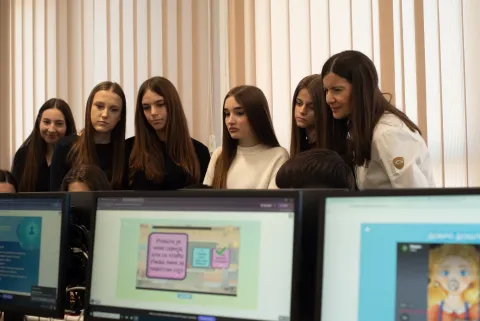
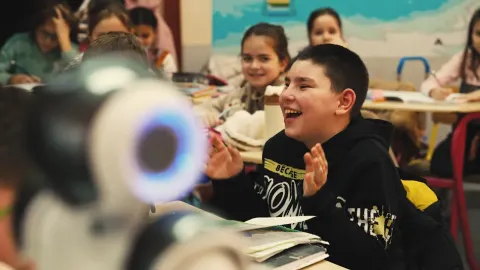
In Serbia, the programme “Support for the Development of 21st Century Skills” will help 15,000 students from 30 primary schools, which have a high number of children from vulnerable groups, develop the skills they need for life and work in the modern world. A new concept of school clubs is being developed in collaboration with teachers, experts, and decision-makers. Schools have received STEM kits to be used in teaching and serve as valuable resources for research activities within school STEM clubs. Exchanges of ideas between teachers and principals have been organised and have proven to be a strong source of learning and motivation. Support is also being prepared for school principals to develop leadership skills through a mentoring model inspired by the business world.
In North Macedonia, the programme “Empowering Students Through Practical Learning and Climate Education” is advancing secondary vocational education by integrating green skills. So far, 16 new partnerships have been established between schools and scientific/public institutions for practical environmental and climate education. Forty-five mentors have been trained, with a plan to reach 120 mentors by the start of the next school year. Curricula for 10 core vocational subjects are being revised, which will annually cover more than 3,000 students, significantly surpassing the originally planned targets.
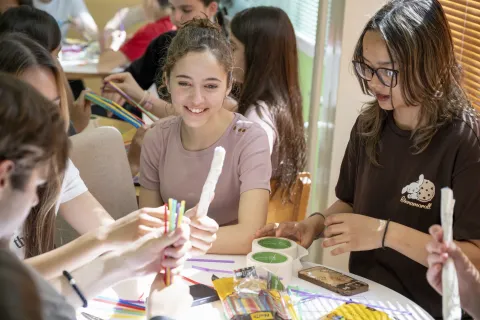
In Bosnia and Herzegovina, the programme “TransformED” is working on the digital transformation of education. In the first year, 25 schools participated in the innovative initiative “Tinkering with E-Waste”, where old electronic devices are used for STEM lessons. Thirty-five teachers were trained, and educational materials were developed that will be made available to a network of 100 schools. Some of these materials are part of the IT Girls initiative. UNICEF and its partners have also established an intersectoral body for digital transformation of education at the national level in Bosnia and Herzegovina.
Media contacts
O UNICEF-u
Prisutni smo u više od 190 zemalja i teritorija, a kroz sve što radimo promovišemo prava i dobrobit dece, posebno one koja su najugroženija i isključena. U potpunosti se finansiramo od dobrovoljnih priloga pojedinaca, država i vlada, fondacija i kompanija.
Pratite UNICEF Srbija na: Facebook-u, Twitter-u, YouTube-u, Instagram-u i LinkedIn-u.