

Beyond the Border: The Mpox Response in Busia
Sensitizing Truck Drivers and Border Communities
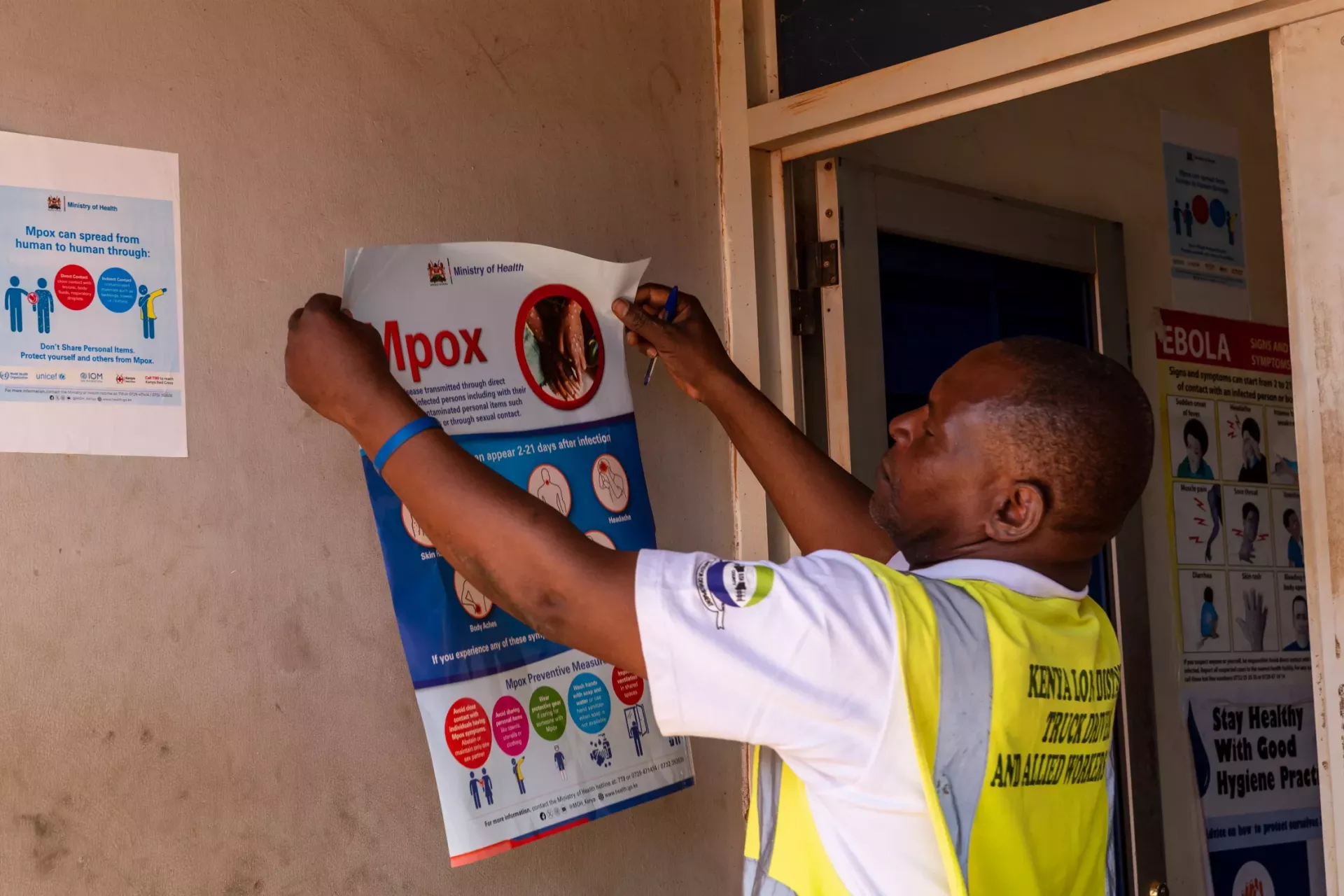
UNICEF Kenya, in partnership with the Mastercard Foundation, is supporting the Busia County Government in responding quickly to the Mpox outbreak. This initiative focuses on providing critical support to truck drivers, cross-border traders, and local communities along the border. The outbreak, which was first reported in July 2024, has raised significant public health concerns.
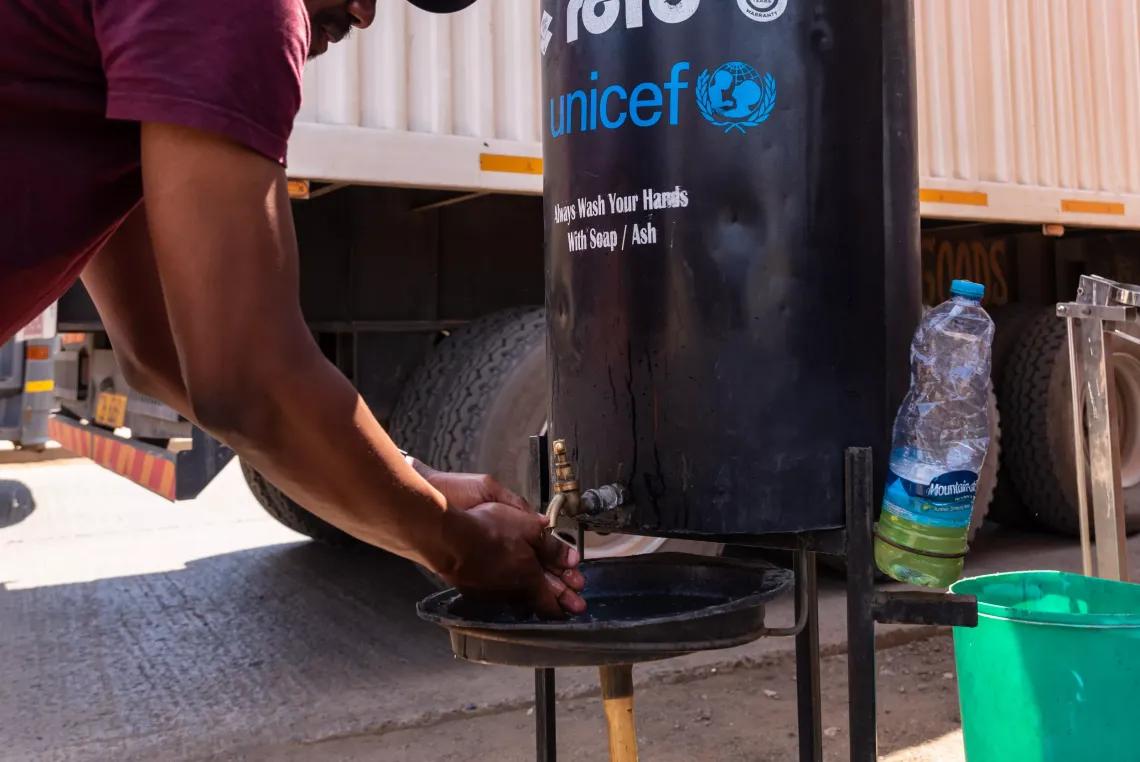
The response efforts include training healthcare workers on how to identify and refer cases of Mpox within the county. Additionally, handwashing stations equipped with soap, water, and hand sanitisers have been set up, and various personal protective equipment is being provided for use at the isolation centre where Mpox cases are referred.
UNICEF and its partners are also sharing vital health messages through community dialogues, community radio stations, and the distribution of information, education, and communication (IEC) materials.
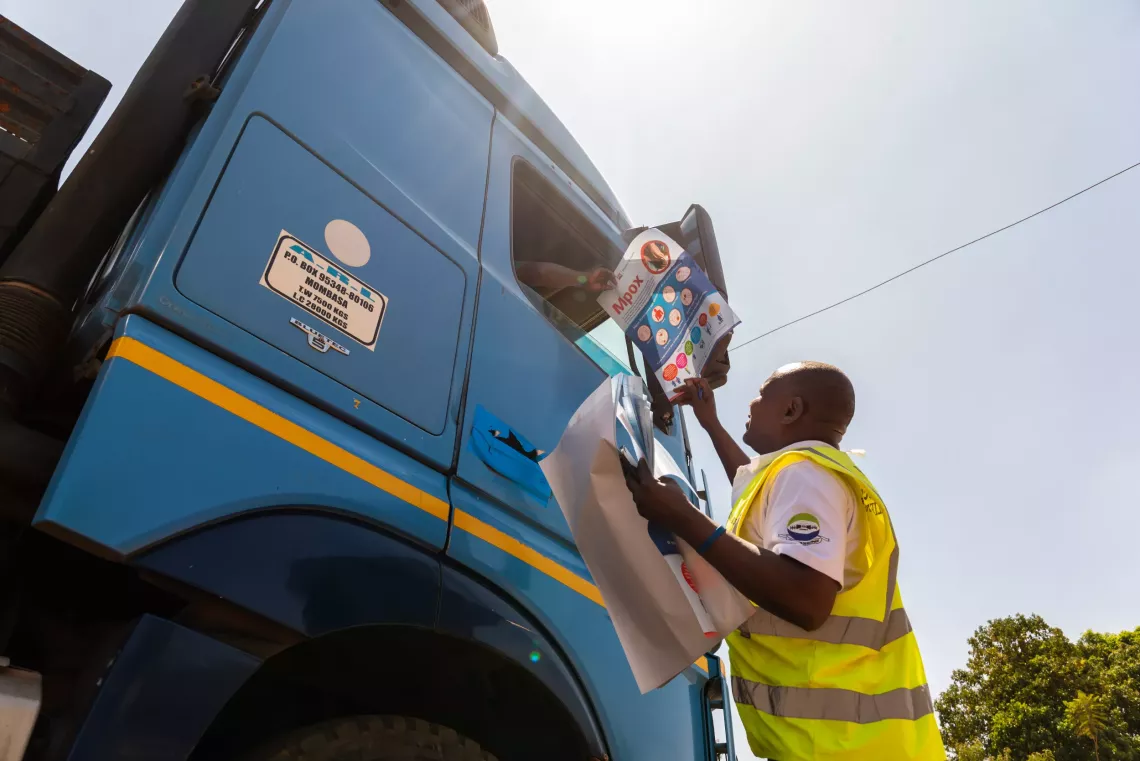
Richard Koko, a representative of the Kenya Long Distance Truck Drivers Allied Workers Union, is leading the sensitization campaign among truck drivers at the border by distributing IEC materials provided by UNICEF.
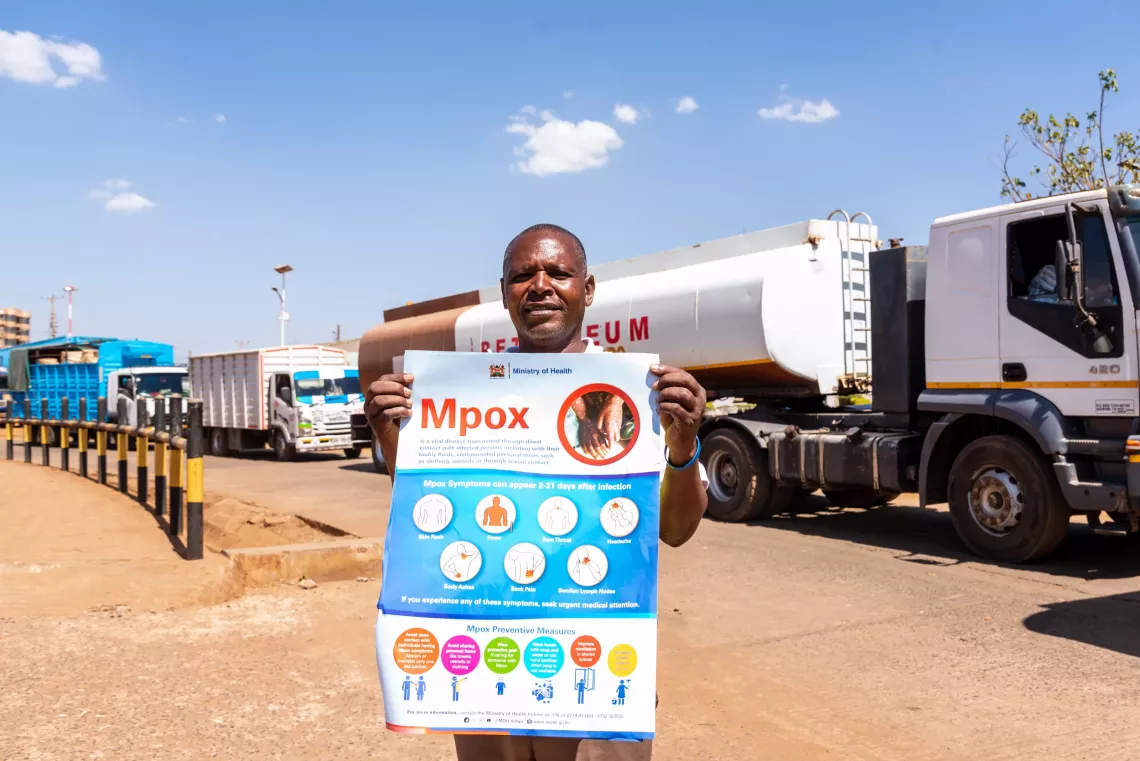
“We were sensitized on Mpox prevention through peer educators from the county government as representatives of truck drivers. In turn, we are now sensitizing the rest of the drivers. We still experience a bit of resistance from some drivers, but most of them are taking the Mpox messaging very seriously,” says Richard. “The IEC materials we were provided with are easy to understand and distribute. They have played a critical role in ensuring the truck drivers are protected.”
Doreen Amoit, a fruit vendor at the Malaba border crossing in Busia County, is one of the traders who have been sensitized on how to prevent Mpox. She has taken the initiative to set up a handwashing station at her shop and is also educating other traders on the importance of hygiene and prevention.
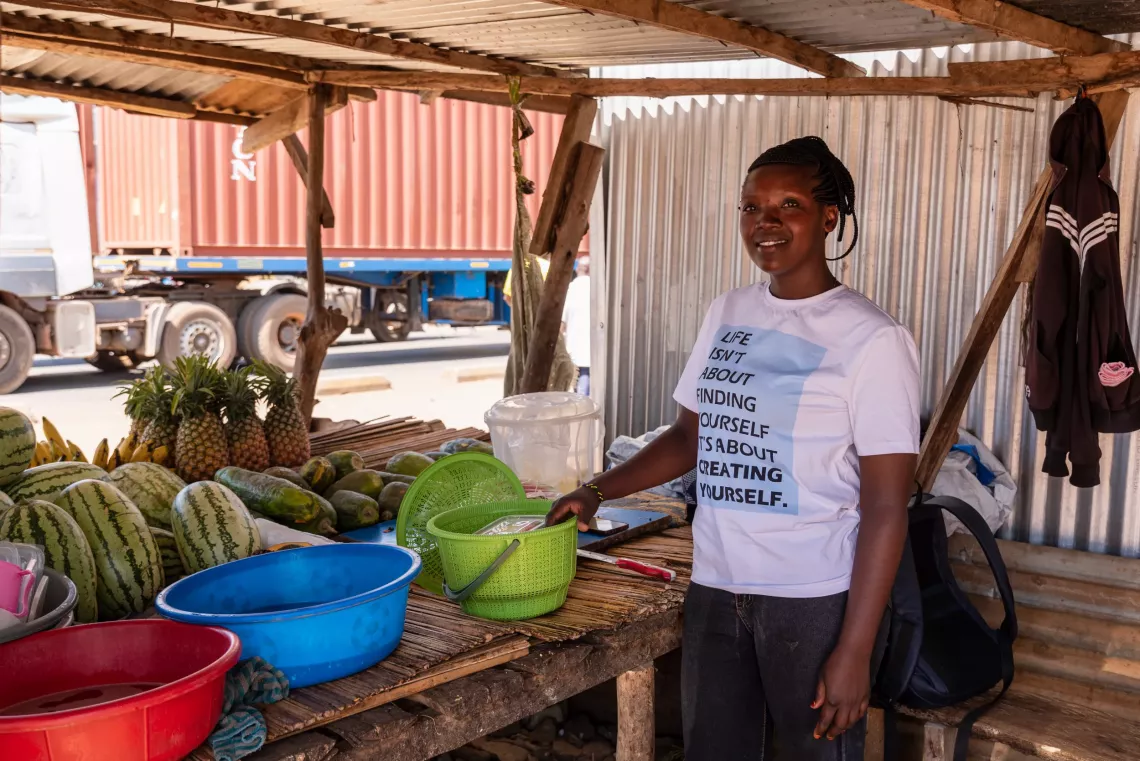
“As a fruit vendor here at the border, I am at a greater risk of contracting Mpox due to the large number of drivers I serve. But the community health promoters have been around to sensitize us on how to protect ourselves. They insisted that we continuously wash our hands and avoid close contact with our customers, especially those coming across the border,” says Doreen. “We also received more messages through our local radios in the morning. I had to set up a handwashing station at my kiosk to ensure I am always washing my hands after interacting with my customers and always keeping safe.”
In addition to Busia County, UNICEF is also responding in five other high-risk counties, aiming to reach 150,000 people with lifesaving and protective interventions. This includes 67,500 children (34,425 girls and 33,075 boys), 49,500 women, and 33,000 men. UNICEF Kenya also supported the Ministry of Health in finalizing a risk communication and community engagement plan to coordinate interventions aimed at improving protective behaviour to control the spread of Mpox.