Milk Matters: Breaking the Cycle of Malnutrition in Kenya
Climate change and nutrition in the arid lands of north-eastern Kenya

In the arid lands of north-eastern Kenya, Ramantoi Buroya is patching up her traditional thatched hut, preparing to welcome her family home.
A member of the Rendille tribe, she is hopeful that in two days she will complete the semi-spherical hut – made from branches, plastic bags and leather hides – for the homecoming of her sons.
Because of the drought, grasses have dried out, water has become scarce and there has been little for the livestock to graze on. So Ramantoi’s sons left home a month ago in search of pasture.
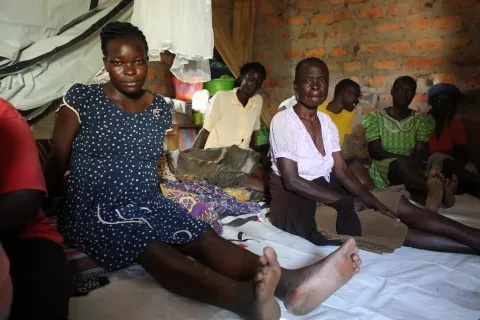
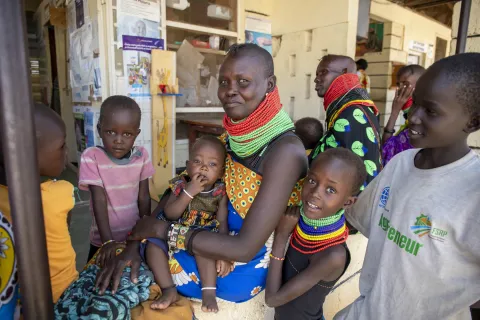
The unfavourable conditions in Nabey Korr Village in Marsabit County, where Ramantoi lives with her nine children, have driven most of the young men away to tend to their animals. In the meantime, the women are left at home to care for the young children.
“Every day we wait anxiously for the end of the dry season when our sons and husbands will return,” says Romantoi.
Raising livestock is the main livelihood activity among the Rendille but climate change has drastically changed their fortunes. The droughts are more frequent and severe.
Malnutrition in children
Because the men take the livestock away, children aren’t able to drink milk and are prone to becoming malnourished.
Here a malnourished child has a five to nine-fold increased risk of death compared to a well-nourished child. The Laisamis Sub-County SMART Survey conducted by the Ministry of Health in Marsabit County in July 2019 showed that a third of all children in Laisamis sub-county, are acutely malnourished.

Beside milk, the local people survive by eating meat as the desert-like environment does not yield crops. However, meals are often missed when livestock are absent. And it can take weeks or even months before the men return.
Community Health Volunteer (CHV) Naomi Nabiro visits Ramantoi often to emphasise the importance of eating nutritious meals. “We need to encourage more goats to be left at home to cater for the immediate protein needs of the children,” say Naomi, who lives nearby.
The homecoming
As the time nears for the men to return, Ramantoi becomes excited. Her village will hold a three-day ceremony filled with song and dance. Sorio, also known as the feast of the new moon, is a cultural celebration among the Rendille marked by slaughtering goats.
But the joy of the return of the men will often be short-lived. The pasture from the rains will soon dry up and the men will be forced again to wandering far away in search of pasture.

A new hope
UNICEF and FAO, with the support of USAID/OFDA, are working together to break the cycle of malnutrition.
The UN agencies have partnered with the government, Washington State University, CONCERN WORLDWIDE and other local partners on a research study to provide access to a secure source of milk.
The Livestock for Health research study hopes to increase the number of milking animals that remain in the homestead during dry seasons by providing animal feed to pastoralists. In addition, the research provides support to CHVs to provide nutritional counseling to households.
Ramantoi and her neighbours are beneficiaries of this research that seeks to reduce the need for emergency response when drought and hunger strike. Instead, the greater availability of milk when the men and livestock are away will make this community more resilient.
By Tewolde Daniel, UNICEF Kenya