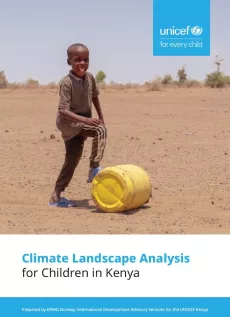
Climate Landscape Analysis for Children in Kenya
Promoting sustainable and resilient development for children

Highlights
The Climate Crisis is a Child Rights Crisis.
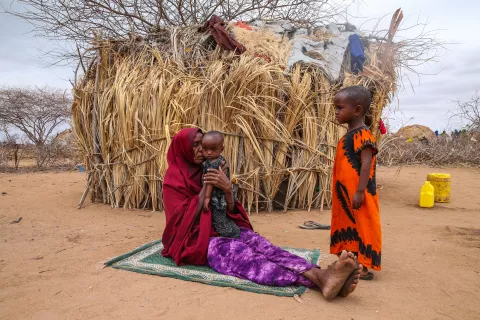
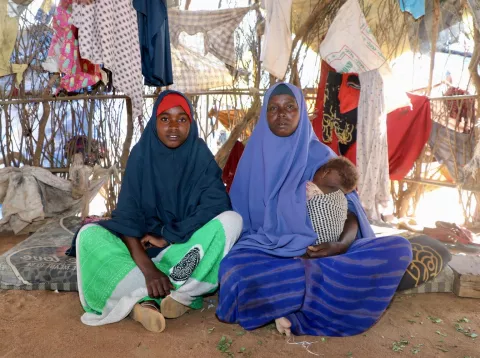
In Kenya, the impacts of climate change, environmental degradation, and disaster risks are already being felt by millions of children. Droughts, floods, pollution, and food insecurity are disrupting their health, education, protection, and access to essential services. These risks deepen existing inequalities and disproportionately affect the most vulnerable children — particularly those in arid, rural, and informal settlement areas.
UNICEF Kenya’s Climate Landscape Analysis for Children (CLAC) provides a strong and detailed evidence base to help government, development partners, civil society, and the private sector understand how climate, environment, energy, and disaster risks (CEED) affect children’s lives — and how to respond. Drawing on policy reviews, consultations with stakeholders, and the voices of over 8,000 children and youth, the CLAC highlights where Kenya’s policies and programmes can better protect children, build resilience, and advance child rights.
This CLAC is more than an analysis; it is a call to action. It urges all actors, across sectors and levels of government, to strengthen child-sensitive climate action, bridge the gap between policy and practice, and ensure that Kenya’s children are at the centre of efforts to build a more resilient, sustainable future.
Download the report to learn more.