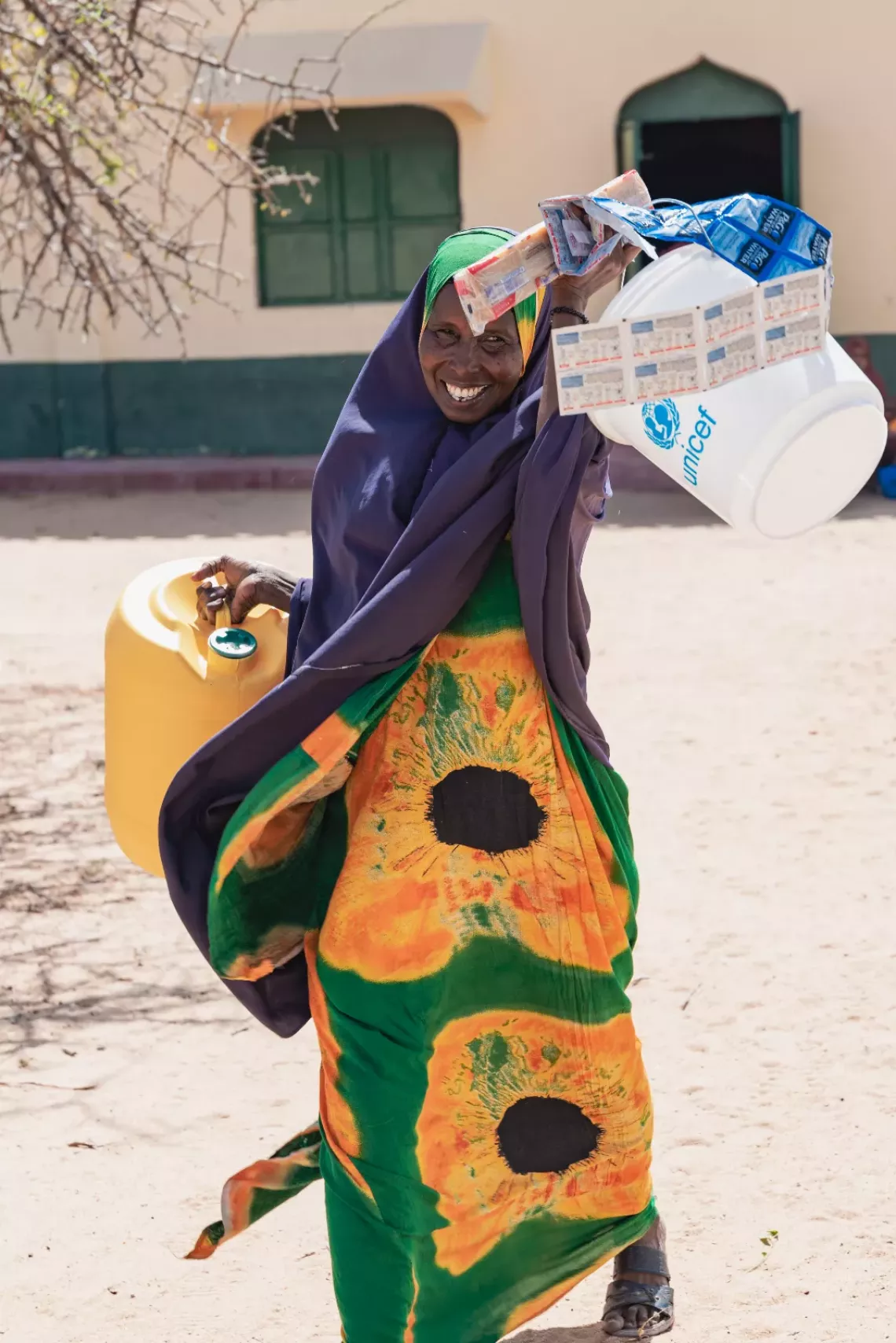
Kits that Fit
Delivering kits that are tailored for people’s needs in emergencies, supplied as locally as possible, and continuously reviewed to be fit for purpose.
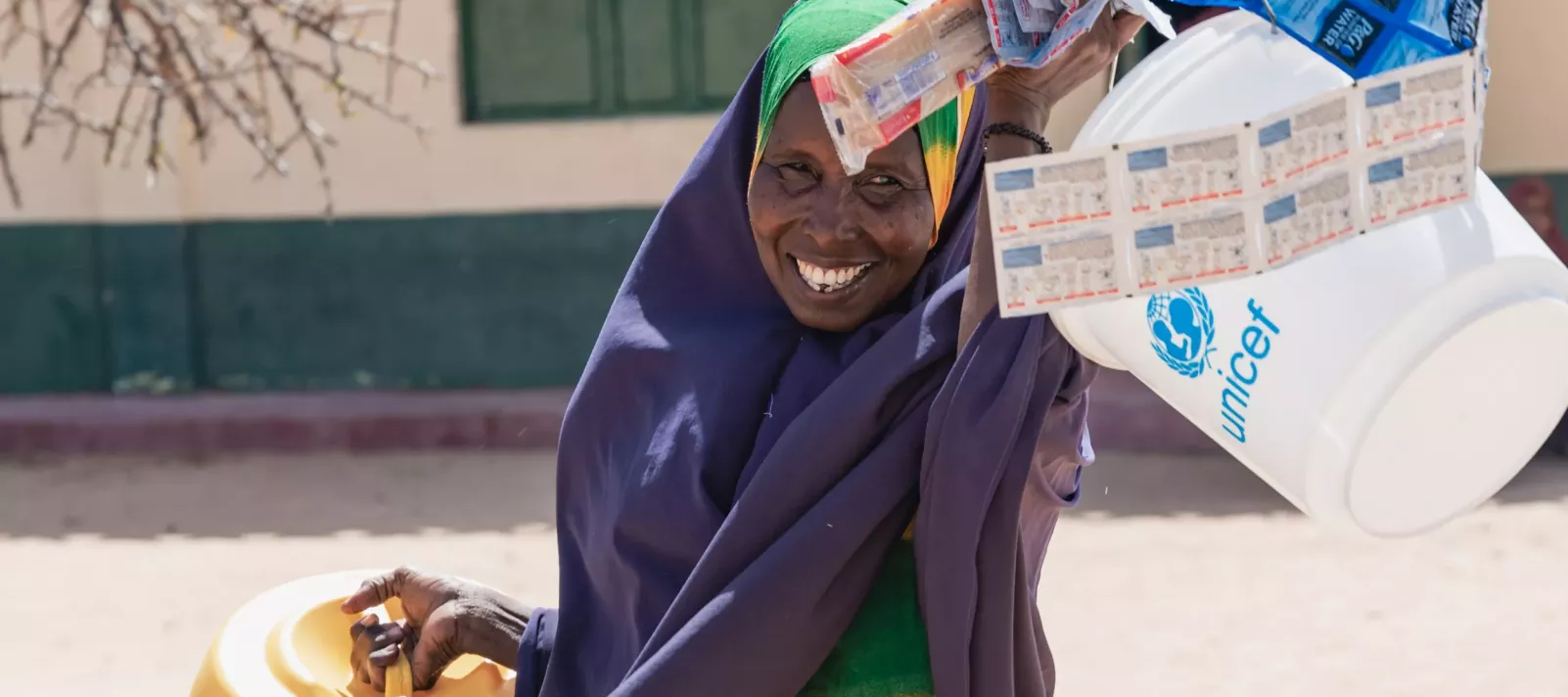

People affected by emergencies have the fundamental right to get the products they need and want, to sustain an adequate standard of living, health and well-being. In many cases, emergency kits distributed to communities are generic and not context-appropriate. The lack of available mechanisms for humanitarian feedback creates a mismatch between the support communities receive and their most pressing priorities and needs.
Today, there are more children in need of humanitarian assistance than at any other time since the Second World War, with no signs of this trend slowing down. In 2023, UNICEF responded to 412 new or ongoing humanitarian crises in 107 countries. While the humanitarian system copes with growing crises in scale and intensity, it is crucial to deliver kits that are tailored for people’s needs in emergencies, supplied as locally as possible, and continuously reviewed to be fit for purpose.

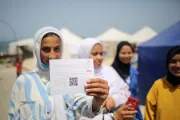
In 2023, UNICEF introduced Kits that Fit – a system that empowers people to tell UNICEF what they need to start the road to recovery.
UNICEF and partners are establishing a two-way stream of communication to collect timely and accessible feedback data on key emergency items received, building on and improving existing UNICEF digital feedback channels. The anonymized information comes directly from end-users, is shared with communities, local businesses, UNICEF and its partners, and then used to customize the emergency kits as locally as possible, as globally as needed.
In collaboration with leading experts in local production and procurement, Kits that Fit prioritizes locally assembled kits containing locally sourced items. The project will provide guidance on end-user-centered and locally-focused procurement, encourage the co-creation of emergency kits with local partners, and build capacity among local manufacturers and small businesses for humanitarian action.
Our vision is to deliver kits that are tailored for people’s needs in emergencies, supplied as locally as possible, and continuously reviewed to be fit for purpose.
In 2023, Kits that Fit launched its first four country programmes: WASH kits for the cholera outbreak in Kenya, WASH and dignity kits for families affected by the war in Ukraine and the earthquake in Turkiye, and essential items for those affected by the conflict in Gaza.


412 emergencies
new or ongoing humanitarian crises
responses by UNICEF.

$890 million
emergency supplies delivered by UNICEF, to 81 countries and areas in 2023.
2 million+ people
have benefitted from the Kits that Fit project since its launch in 2023.

In 2023, Kits that Fit reached over 1 million families with customized emergency kits and provided access to anonymous and direct feedback channels for another 1 million people.
In 2024, the project will continue delivering aid more effectively to the 200 million children in need of humanitarian assistance by optimizing the impact of future emergency kits.
This gave me the chance to pick the items that I really needed.