

Botswana experience decline in immunization coverage
Before the COVID-19 pandemic, Botswana maintained high immunization rates. However, in recent years there has seen a troubling drop in coverage
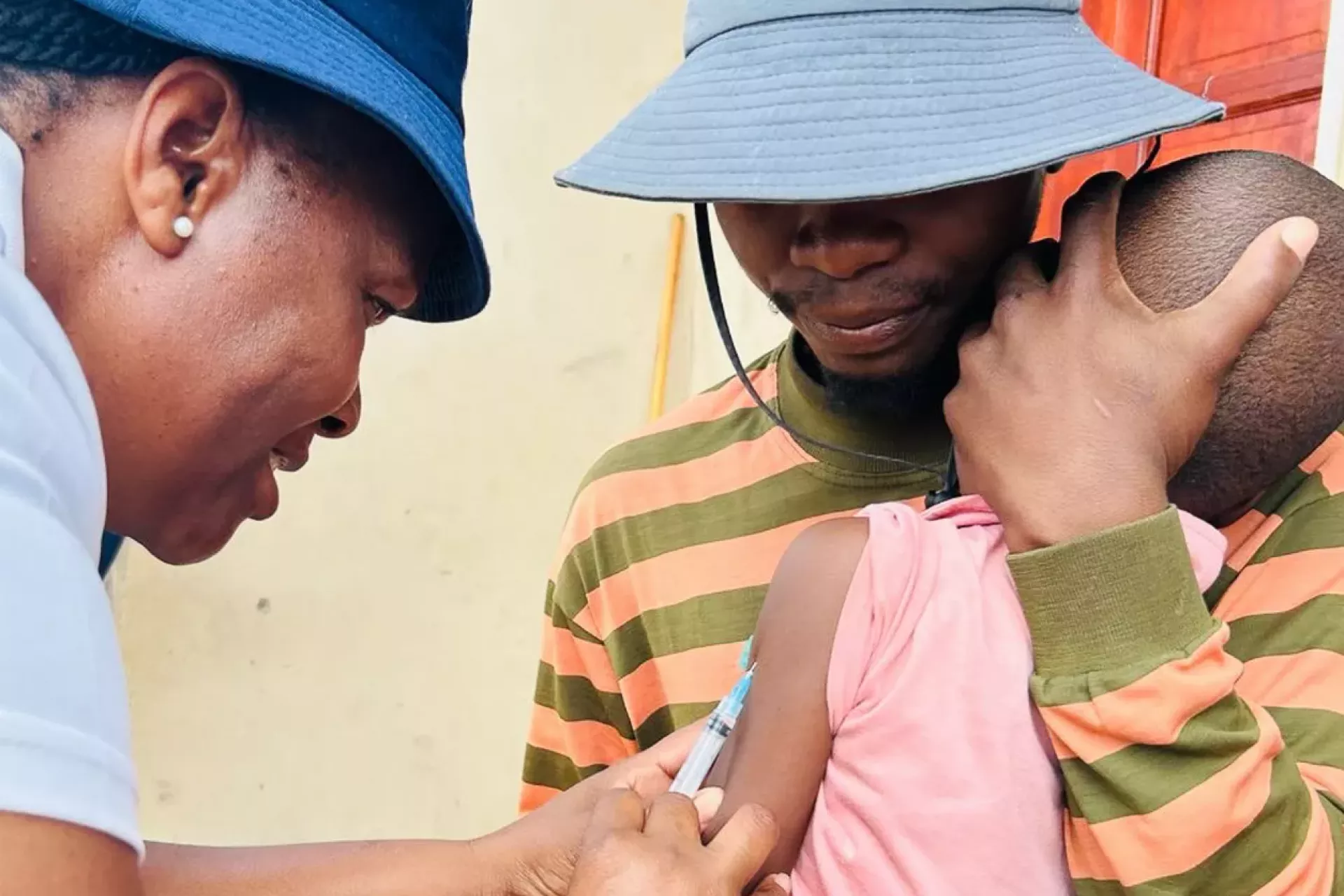
Daniel Ncube had always brushed off his niece’s constant colds and lingering coughs as bad luck. Some children just got sick more often, he thought. But as the seasons passed, her struggles only deepened—every minor illness took a toll, leaving her exhausted and fragile.
Then, one afternoon, he picked up her child welfare clinic card, to take his niece to the Molapowabojang clinic. His stomach twisted as he traced the faded ink. “Last vaccinated: day of birth.” The words sent a chill through him, she had missed every single vaccine since.
“This can’t be right,” he murmured, flipping through the pages, searching for something—anything—that might prove otherwise. But it was true. His niece had never received life, saving immunizations meant to shield her from devastating diseases. The realization was crushing. Now, standing in his home, holding his niece’s medical history in his hands, the truth that Botswana is experiencing a decline in immunization coverage became personal.
Before the COVID-19 pandemic, Botswana maintained high immunization rates. However, in recent years there has seen a troubling drop in coverage. In 2024, only 50% of children under 12 months were fully immunized, with coverage rates for the Oral Polio Vaccine (OPV) falling to 74% and the Measles and Rubella (MR) Vaccine to 77%—critical vaccines that protect children from polio and measles, respectively
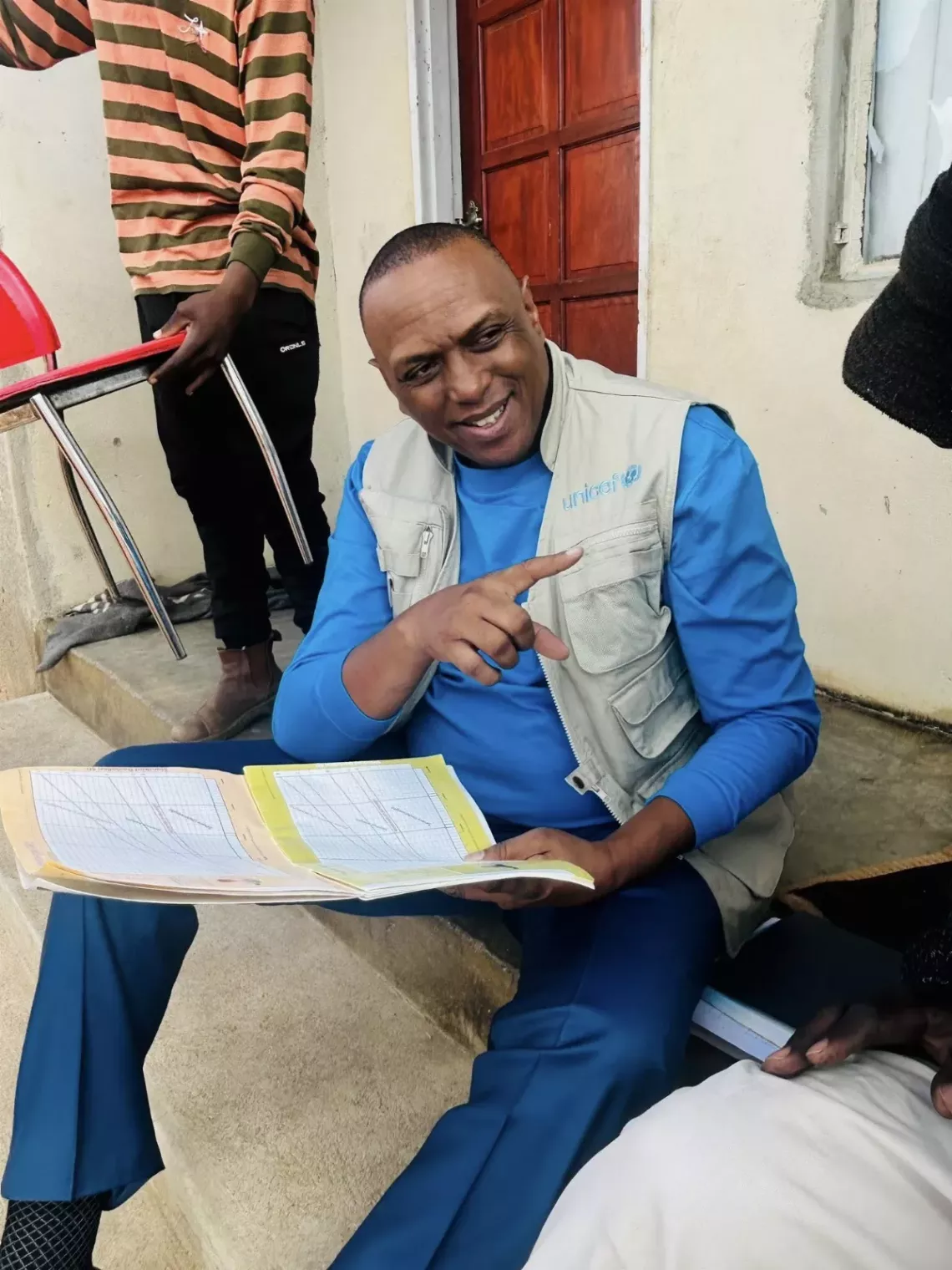
During his visit to Molapowabojang, UNICEF Acting Representative, Kimanzi Muthengi, emphasized the urgency of addressing the issue. Adding that the country must remain steadfast in reaching every child with vaccines. Muthengi, interacted with Ncube and other young parents.
I had the privilege to witness firsthand the inspiring commitment of young parents — including young fathers — bringing their children for life-saving vaccinations. The dedication of the health workers at the facility and in the outreach, teams going door-to-door to ensure no child is left behind is truly commendable
In response to this growing concern, UNICEF and WHO have collaborated with the Botswana government to develop a comprehensive National Immunization Strategy—a framework designed to improve coverage, ensure equitable vaccine access, and promote long-term sustainability. The strategy provides a clear roadmap for government and partners to mobilize resources, ensuring that every child, no matter where they live, receives life-saving vaccines. This initiative represents a crucial step in strengthening health systems and preventing outbreaks of vaccine-preventable diseases.
Immunization remains one of the most effective public health interventions, preventing 3.5 to 5 million deaths globally each year.


