Investing wisely in the Digitalisation of Bhutan’s Education Sector
Digital transformation to increase best opportunities for youth.
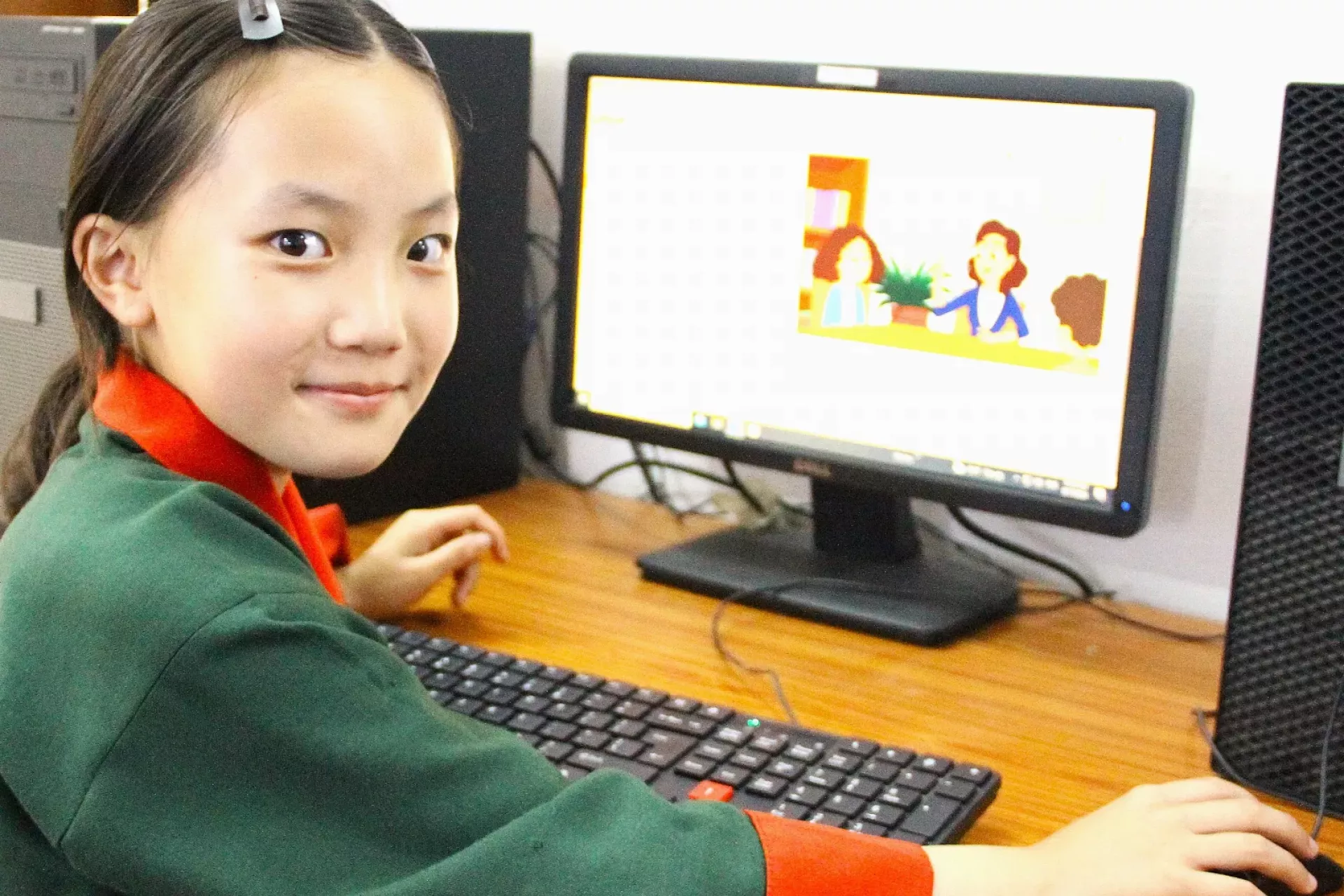
Thimphu, September 2024. The Ministry of Education and Skills Development (MoESD), in collaboration with UNICEF Bhutan and the Delegation of the European Union to India and Bhutan, held the Steering Committee meeting this month to provide feedback on the implementation of the initiative "Supporting Inclusive Access to Digitalisation in Education and Skills in Bhutan."
The Steering Committee, comprising representatives from MoESD, the EU, UNICEF, the World Bank, ADB, UNDP, ITU, the GovTech Agency, iBEST, Disabled People’s Organisation of Bhutan, and other partners, convened in early September to provide strategic direction to ensure successful implementation.
“Through this project we intend to improve the IT skills of our students and hope to improve IT literacy and skills of our teachers. This project will have a huge impact both on the teacher as well as the students.” Karma Galay, Director General, Department of School Education, MoESD.
This transformative initiative, aims to improve learning outcomes and skills development through investment in the digital transformation of the education system, thereby contributing to greater employability, economic growth, and poverty reduction.
“I would like to reinforce the importance that the European Union attaches to Digitalisation in Education in Bhutan, especially supporting Bhutan’s priorities for high quality, inclusive and accessible digital education. It is also essential to link school learning experiences to the skills required by a modern job market, to develop a well-trained workforce in Bhutan for a 21st century economy.” Franck Viault, Minister Counsellor Head of Cooperation, Delegation of the European Union to India and Bhutan.
During the meeting, members were updated on the significant progress made since the launch of the project in January 2024:
- One of the major milestones was the successful co-creation workshop, marking the culmination of extensive consultations at the school level. The collaborative event brought together key stakeholders – ranging from the MoESD officials and GovTech experts to telecommunication leaders, development partners, educators, students, and industry professionals. This workshop created a powerful platform for open dialogue, ensuring every voice was heard. Together, these diverse perspectives forged a shared vison for the future of Bhutan's education digitalization efforts.
- Following this, a technical workshop led by an EdTech expert was conducted to develop the Educational Technology Framework (ETF), which will outline the policy and standards for integrating technology into Bhutan’s education system.
- Ten pilot schools comprising approximately 6,000 students and 400 teachers were selected to implement the digital initiative. ICT focal teachers from these schools were identified to support the rollout.
- Additionally, a comprehensive digital skills training package was developed for the UPSHIFT program to equip students and youth with social innovation and skills such as problem-solving, collaboration, critical thinking, and digital literacy.
The upcoming actions will focus on completing the connectivity gap analysis, assessing digital skills needs in schools, and training UPSHIFT focal teachers on digital skills to ensure the initiative's success. Moving forward, UNICEF Bhutan remains committed to aligning with government strategies and adapting our approach to ensure success.
“Digitalisation in Education Initiative is not just about integrating technology into the classroom… it is about transforming the way we teach, the way we learn and think. It is about equipping our young people with the skills they need to succeed in the rapidly changing digital world ensuring online safety.” Fawzia Hoodbhoy; Deputy Representative of UNICEF and Co-Chair of the Steering Committee said.